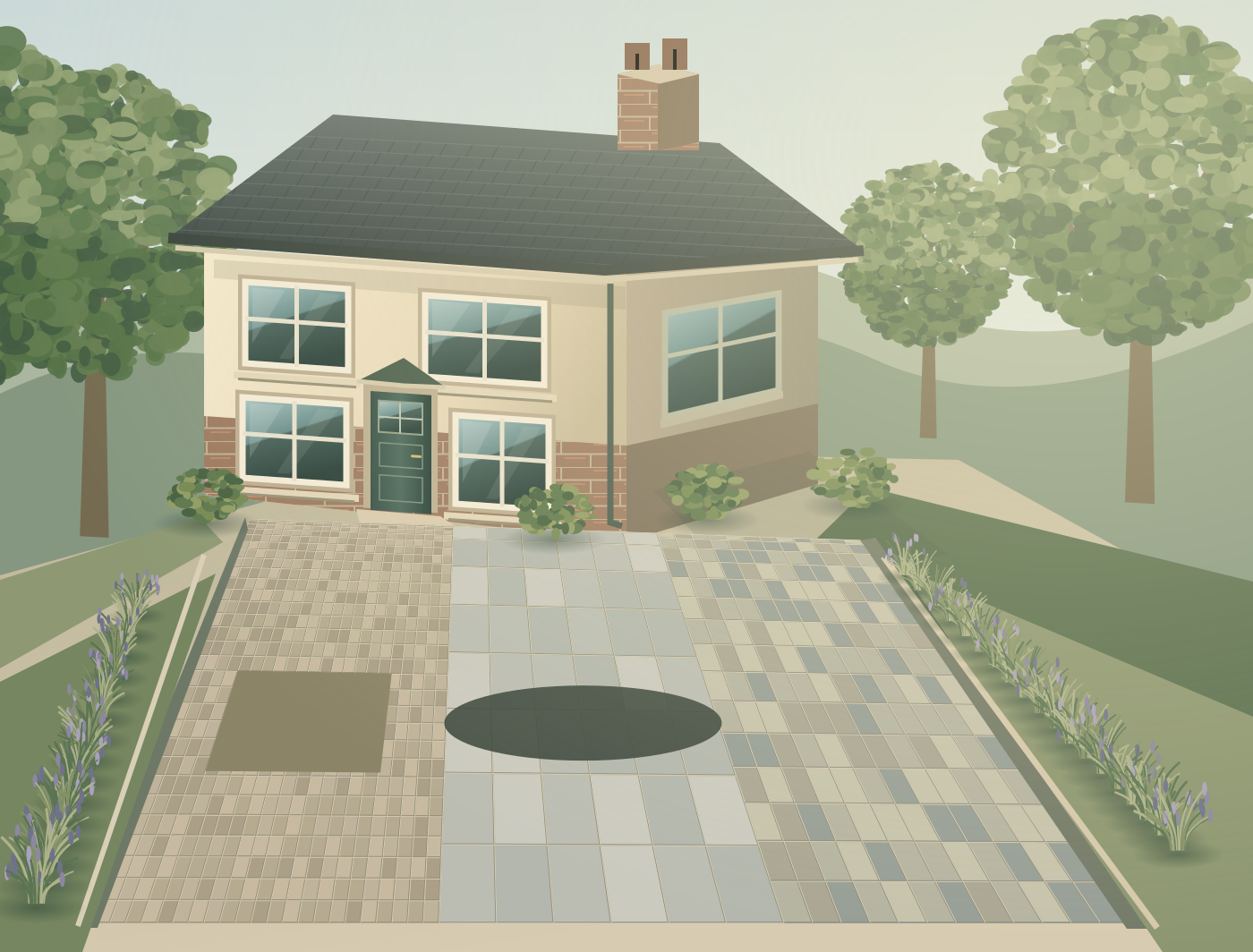
Routine driveway maintenance
Driveway Surface Maintenance in Sudbury
Arrange the surface maintenance your Sudbury driveway needs, whether that means replenishing joints, sealing suitable paving or topping up gravel. Check the material and its condition before choosing a treatment.
Your property. Your parking. Your next step.
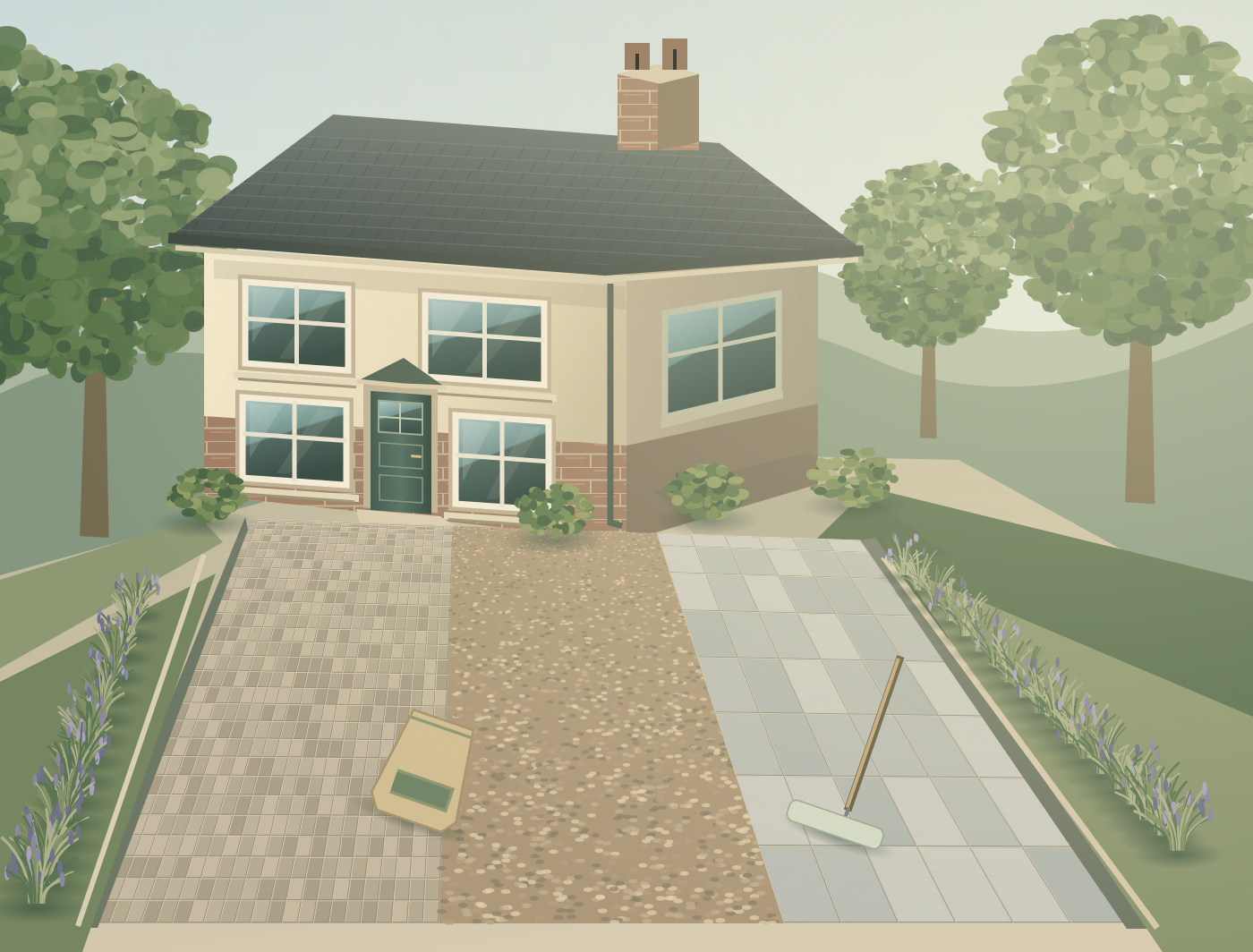
Sealing, joint care and gravel upkeep
Choose a driveway maintenance service
From the first idea to putting a problem right. Choose the work that fits your property.
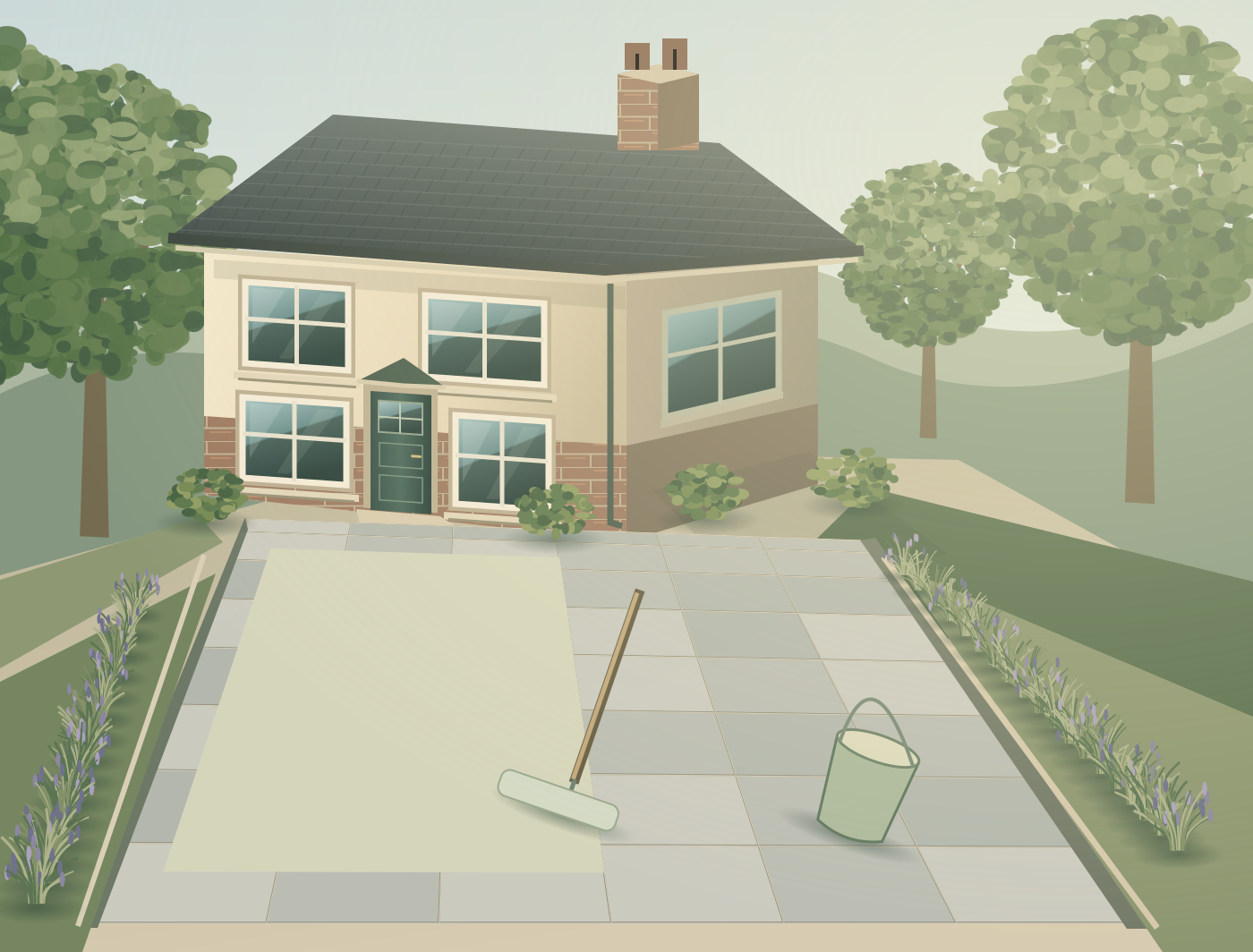
Driveway sealing and resealing
Driveway Sealing
Protect or refresh suitable paving at your Sudbury property with a compatible driveway sealing treatment.
Explore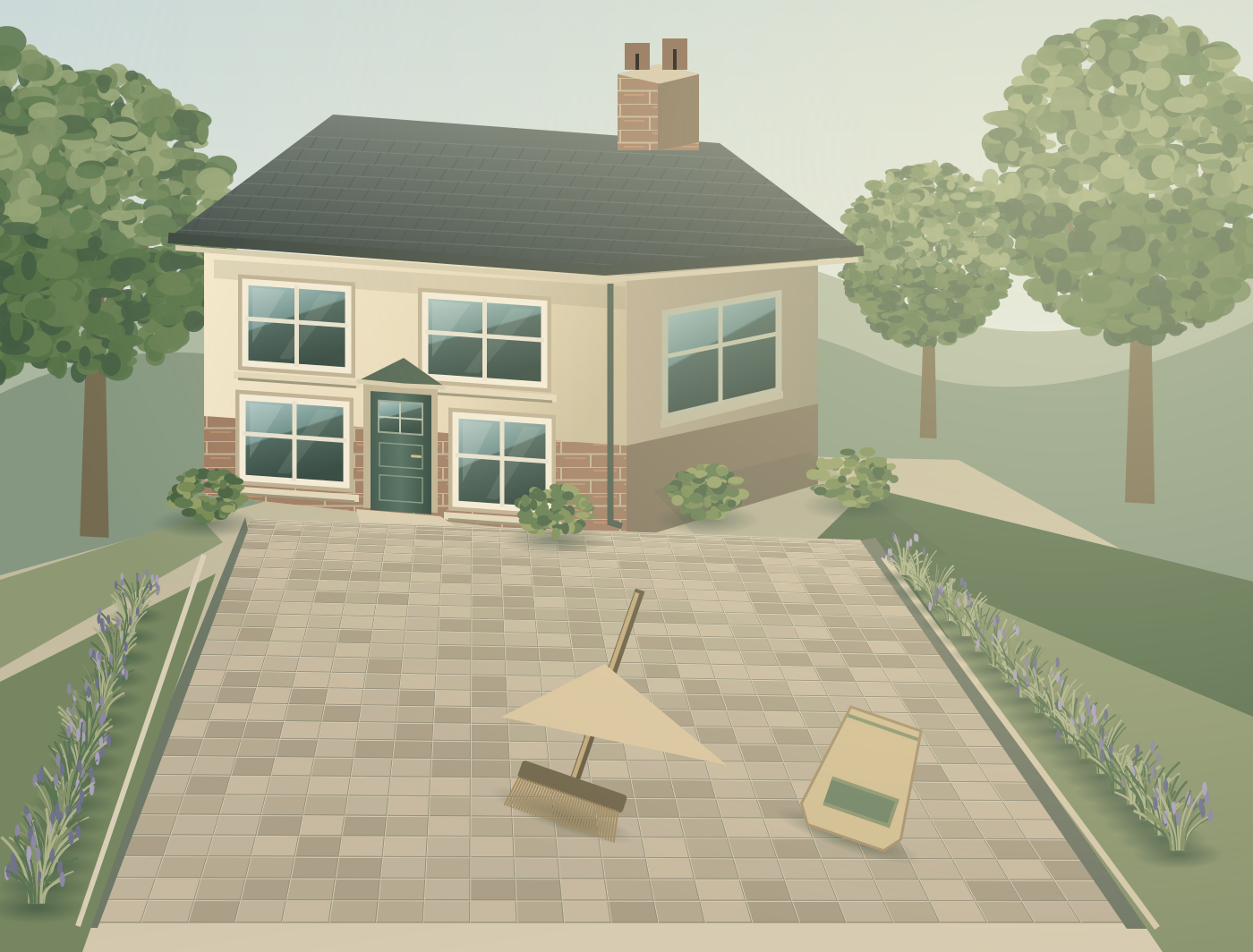
Block paving joint maintenance
Block Paving Re-sanding
Replace lost jointing sand on your Sudbury driveway with block paving re-sanding suited to the existing paving system.
Explore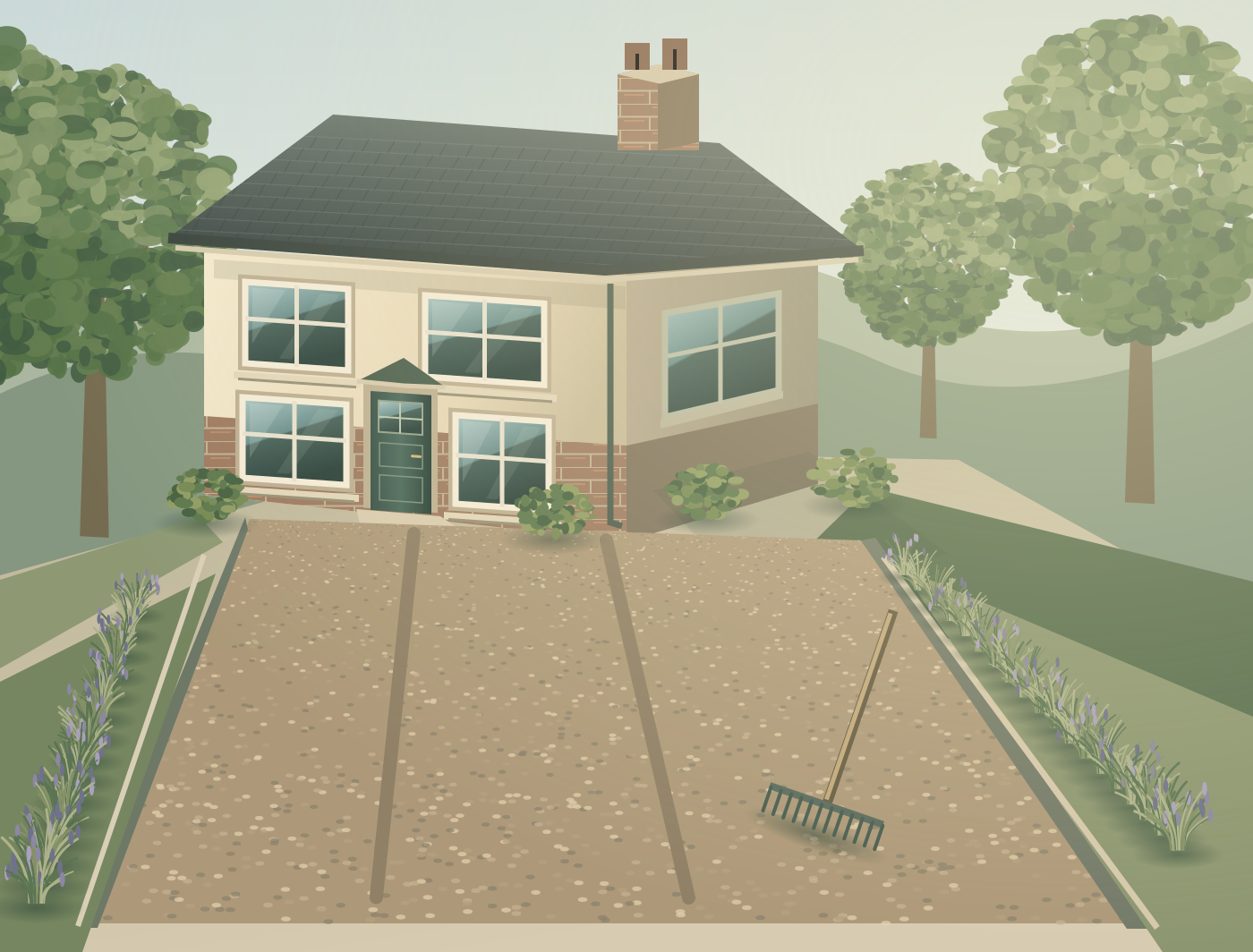
Top-ups, ruts and displaced stone
Gravel Driveway Maintenance
Restore an even gravel surface on your Sudbury driveway by redistributing stone, topping up thin areas and correcting shallow ruts.
ExploreCheck your driveway's maintenance needs
Stable paving with depleted joints may need joint replenishment, while thin or displaced gravel may need redistribution or a compatible top-up. An existing coating needs its condition and compatibility checked before renewal. Cracks, settlement and moving units are repair concerns rather than routine upkeep. Identifying the surface and its condition prevents a maintenance package from including treatments that are unnecessary or unsuitable for the drive.
Sealing, re-sanding or gravel upkeep?
Re-sanding restores depleted sand joints in suitable, stable block paving. Gravel upkeep restores loose-stone coverage and addresses migration at edges. Sealing is a separate, product-specific choice that may alter appearance or provide a stated protective benefit on compatible surfaces. It is not required for every driveway. Choose the service justified by the condition, with repairs completed first where the surface is unstable.
Clean and repair before maintenance
Repairs come first where blocks move, edges fail or the supporting construction has settled. Cleaning can then remove debris or contamination that would interfere with the chosen maintenance treatment. Drying and weather requirements depend on the product and jointing system. This sequence helps avoid sealing over dirt or refilling joints that need to be disturbed for repairs. Where separate contractors are involved, agree the handover condition.
Choose a treatment suited to the surface
Permeable joints and coated surfaces need particular attention to product compatibility. Ordinary joint sand should not be assumed suitable for every paving system, and one sealer should not be assumed compatible with every previous coating. Ask for the proposed material to be named.
Agree the maintenance work and aftercare
Request a clear description of the area, preparation, material and follow-up advice. Avoid relying on a universal maintenance timetable: exposure, use and the installed system differ. Keep the handover information so future care can build on the actual treatment rather than guess what was applied.
A few useful answers
Questions about surface maintenance
How do I know which maintenance task is needed?
Look for the specific symptom: empty joints, displaced gravel or worn coating suggest different tasks. Rocking, sinking or spreading cracks need repair assessment rather than routine maintenance.
Should a damaged surface be repaired first?
Yes, where damage would undermine the maintenance. Correct movement before replenishing joints or sealing; otherwise the new treatment may need removing when the repair is carried out.
Are maintenance schedules the same for every material?
No. Traffic, shade, nearby vegetation and the installed material all affect timing. Follow the product guidance and inspect condition rather than booking every treatment on a fixed annual cycle.