Driveway surfacing materials
Driveway Surfaces in Sudbury
Choose a driveway surface that suits your Sudbury property, from resin and block paving to gravel, tarmac or concrete. Consider the appearance, upkeep and supporting construction before choosing a finish.
Your property. Your parking. Your next step.
Driveway surfacing
Choose a driveway surface
From the first idea to putting a problem right. Choose the work that fits your property.
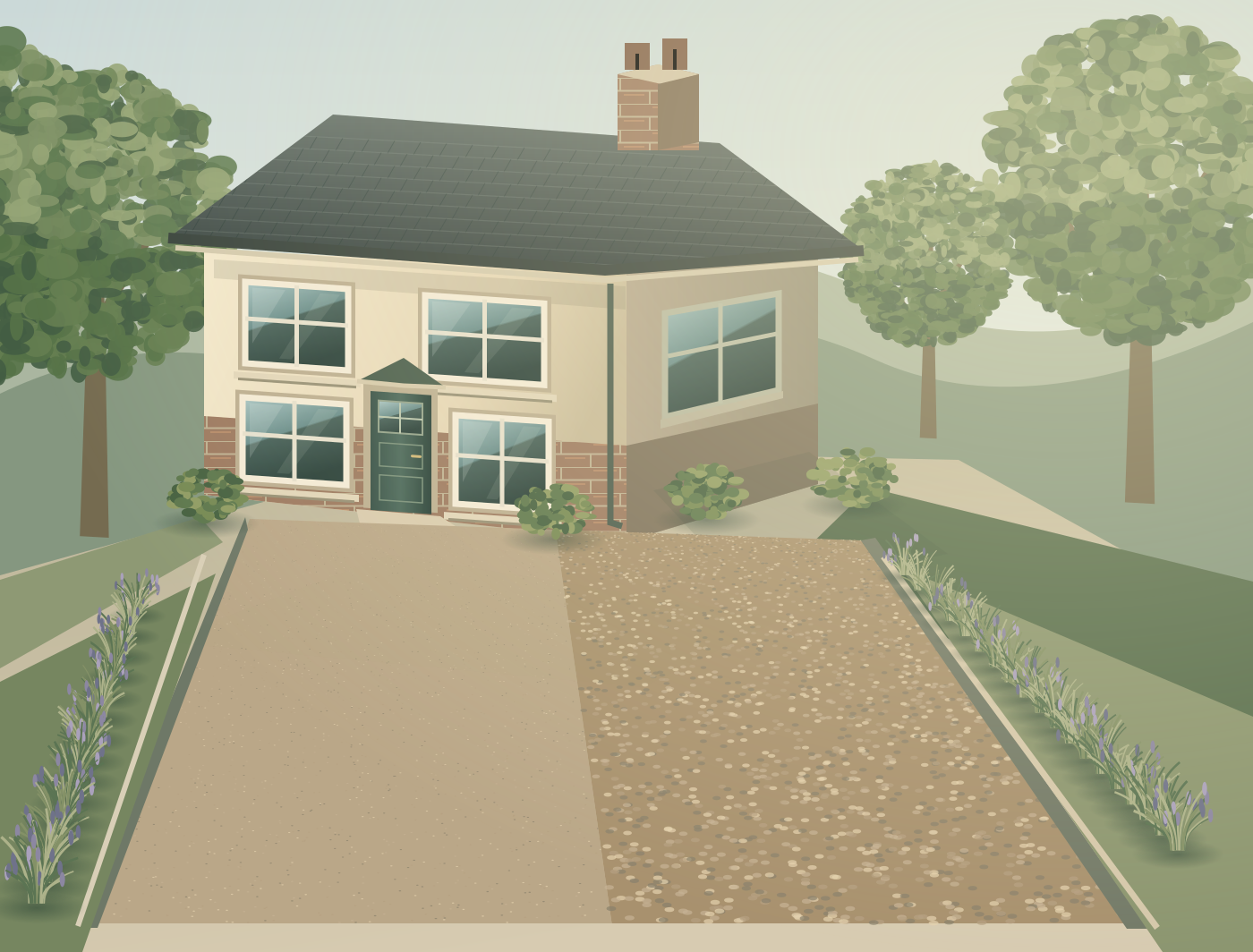
Resin bound or resin bonded
Resin Driveways
Give your Sudbury driveway a stone finish with resin bound or resin bonded surfacing.
Explore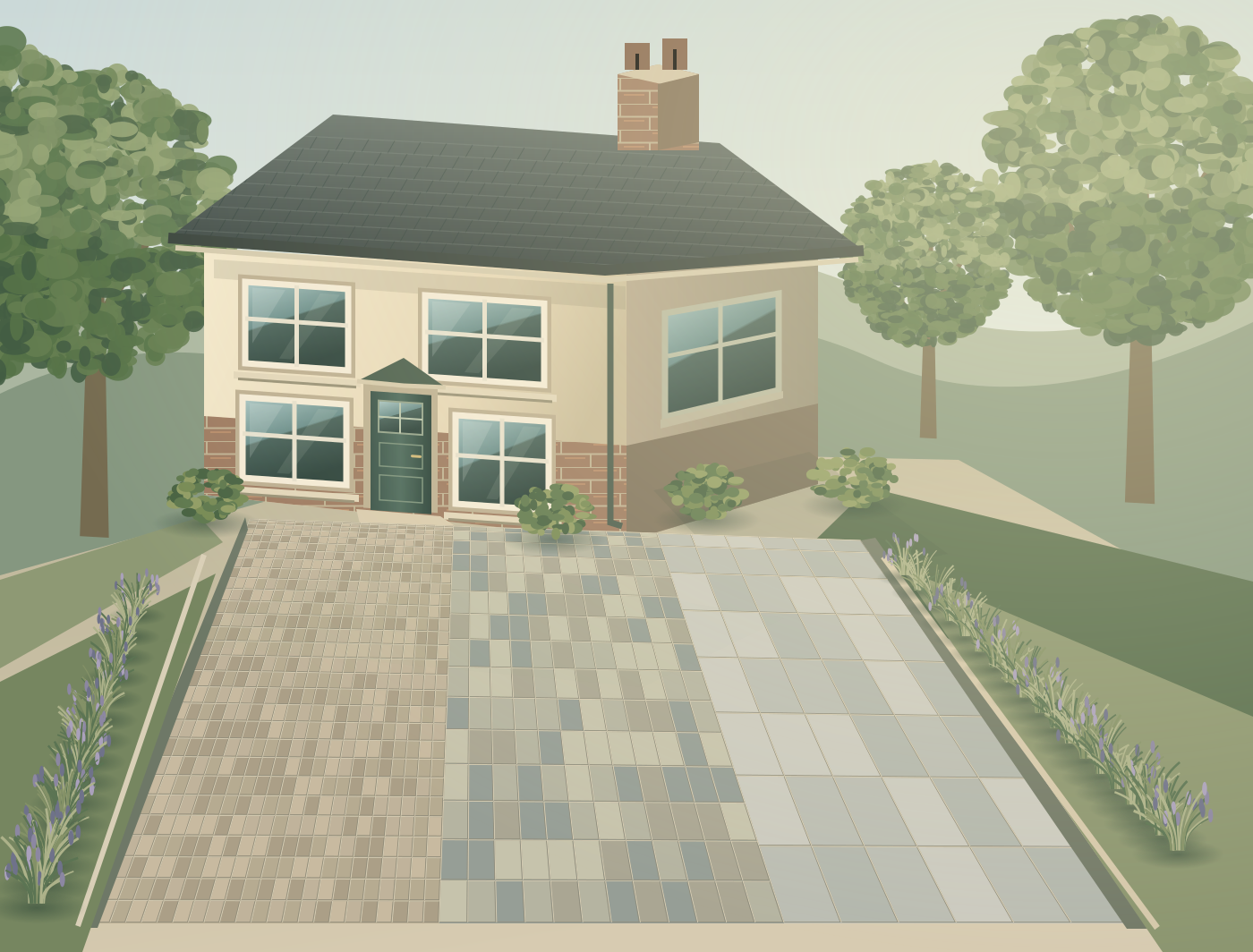
Paving choices for vehicle use
Paved Driveways
Create a paved driveway for your Sudbury property using blocks, natural stone or concrete slabs suitable for vehicles.
Explore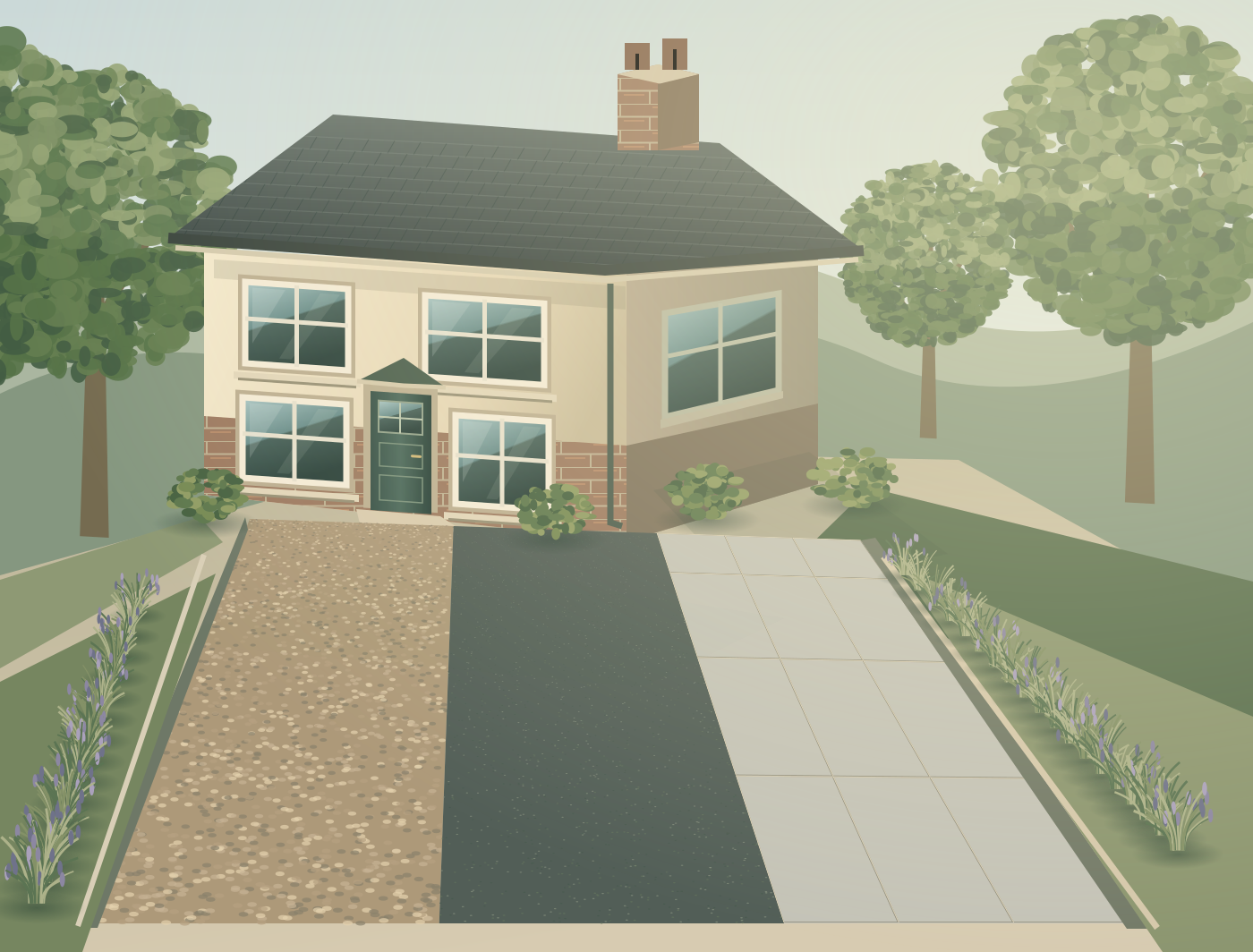
Loose stone or solid surfacing
Other Driveway Surfaces
Choose gravel, tarmac or poured concrete for your Sudbury driveway according to how you want it to look and work.
ExploreChoose a surface for everyday use
A useful driveway surface must support parking and turning while leaving a usable route to the house. A firm, even finish can make bins and smaller wheels easier to move than loose stone. On a slope, surface texture, gravel movement and drainage become more important. Compare those everyday needs alongside colour and upkeep, then shortlist materials suitable for the site's construction.
Resin, paving, gravel, tarmac or concrete
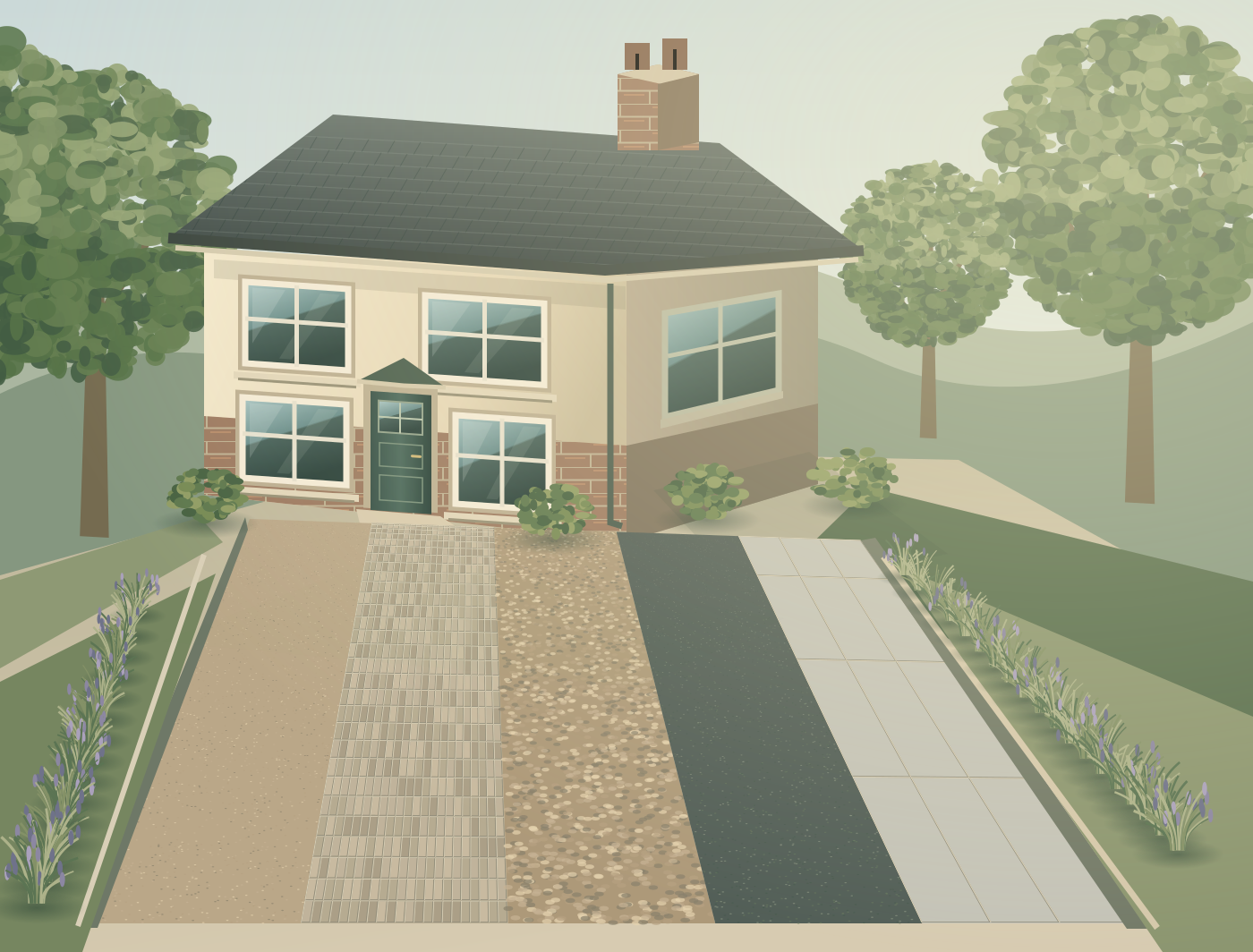
Resin offers an aggregate finish in different systems. Paving creates a pattern of individual units, with choices from concrete blocks to natural stone. Gravel remains a loose surface, while tarmac and poured concrete form continuous areas. Compare the families first, then look closely at the product and construction proposed.
Foundations, edging and drainage
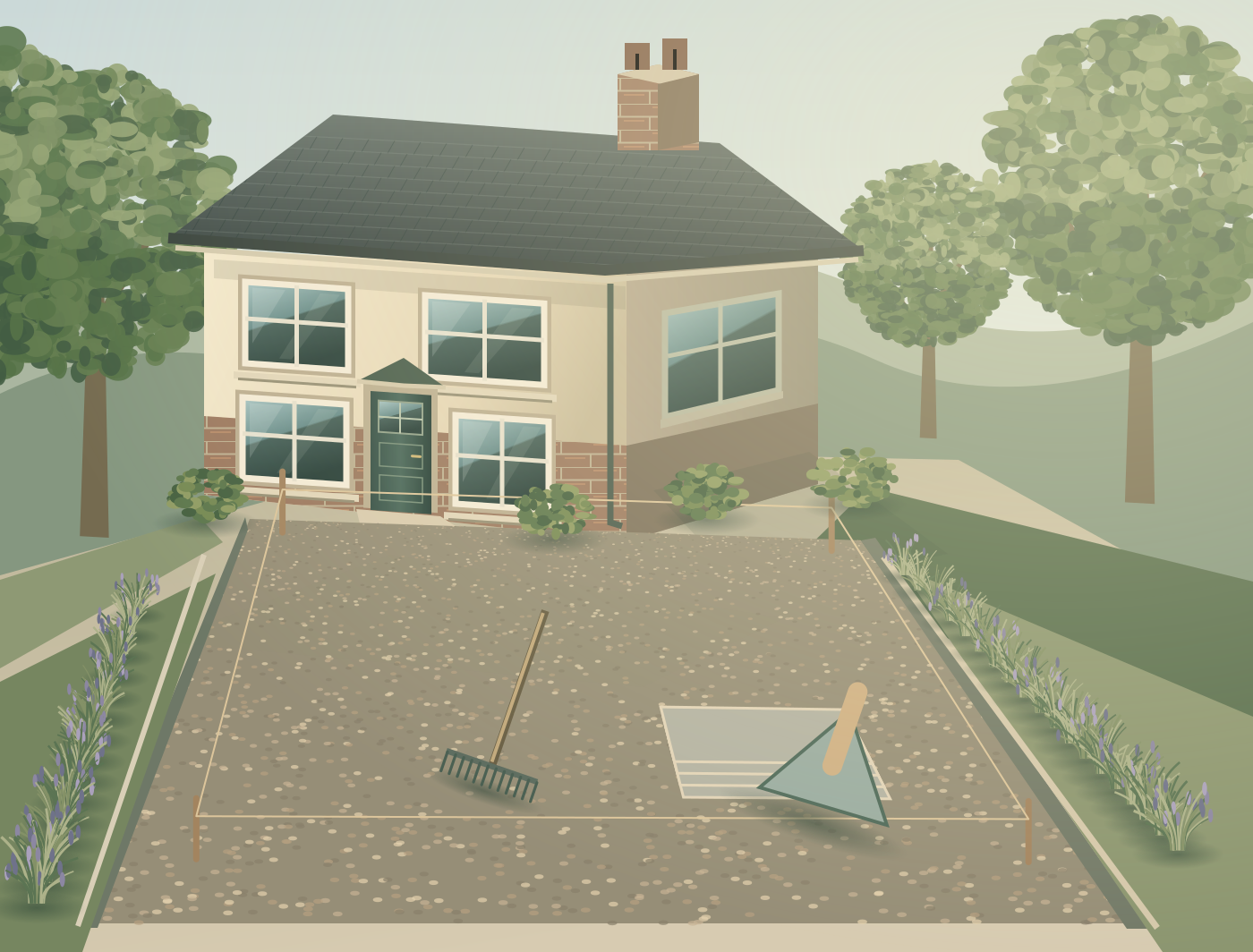
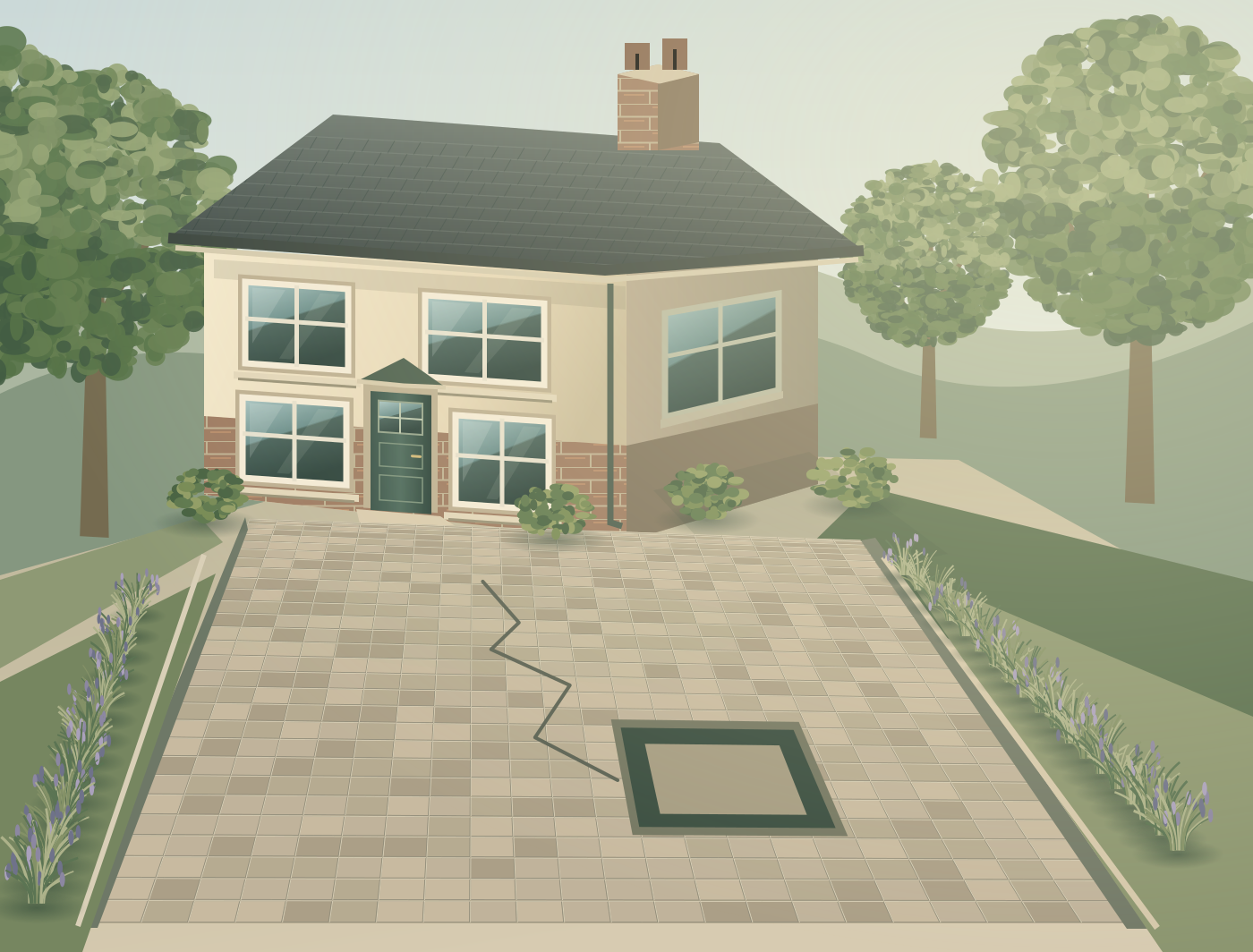
Foundations support the weight of vehicles, edging holds the surface in position, and drainage gives rainwater a route away from the parking area. Weak support can lead to dips even when the finish looks sound. The finished levels must also meet paths, covers and garage entrances without trapping water. Existing layers can only be retained where their condition and levels suit the new system.
Installation and ongoing maintenance
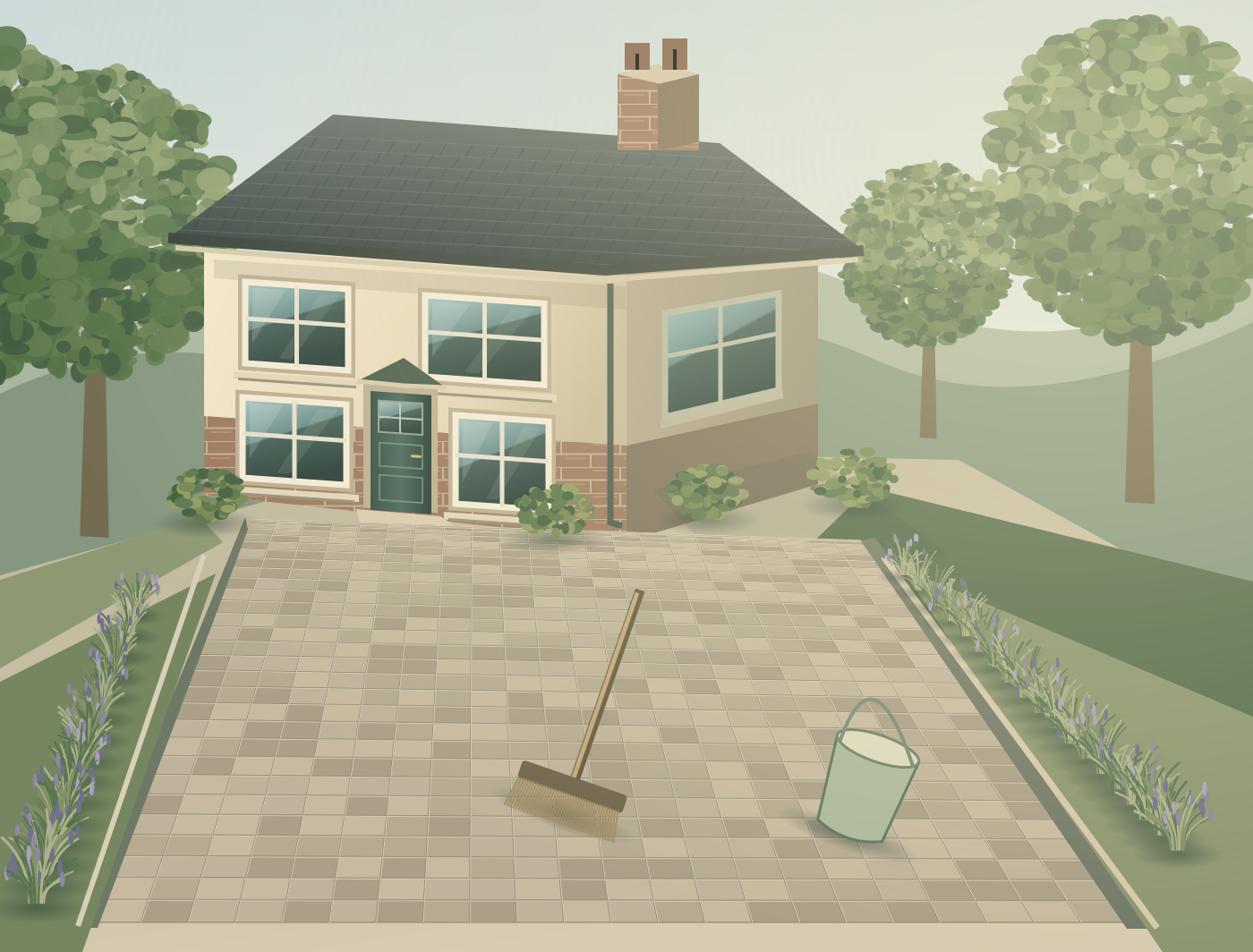
Installation usually moves from clearance and ground preparation to supporting layers, edges, drainage and the chosen finish. The amount of excavation depends on what is already there and whether it can be retained. After installation, care varies: paving joints may need replenishment, gravel needs redistribution, and continuous surfaces need suitable cleaning and defect checks. Keep drains clear and follow the instructions for the installed material.
Compare quotes for your chosen surfaces
Shortlist two or three finishes you would be happy to live with. Keep the layout and preparation requirements consistent when comparing them. This makes it easier to see whether a price difference comes from the material itself or from a different amount of groundwork and drainage provision.
A few useful answers
Questions about driveway surfaces
Is one material suitable for every driveway?
No. A surface that works on level ground may be impractical on a steep entrance or under heavier vehicles. Compare materials against your site's use, not appearance alone.
Does a new finish need a new base?
Not always. A stable, compatible base may be retained, but an overlay must also leave enough clearance at thresholds, covers and edges. Existing cracks or movement need checking first.
Which options should I compare for a sloping entrance?
Compare firm surfaces with suitable grip and a clear runoff route. Loose gravel deserves particular caution where vehicles brake or turn on the slope; samples alone cannot establish suitability.