Driveway drainage installation
Driveway Drainage in Sudbury
Improve drainage at your Sudbury property to stop rainwater collecting on the driveway or running towards buildings. Choose a suitable water route based on the surface, levels and ground conditions.
Your property. Your parking. Your next step.
Permeable surfaces, channels and soakaways
Choose a driveway drainage solution
From the first idea to putting a problem right. Choose the work that fits your property.
Surfaces that let rainwater through
Permeable Driveways
A permeable driveway lets rainwater pass through the surface, making it an option for managing runoff at your Sudbury property.
Explore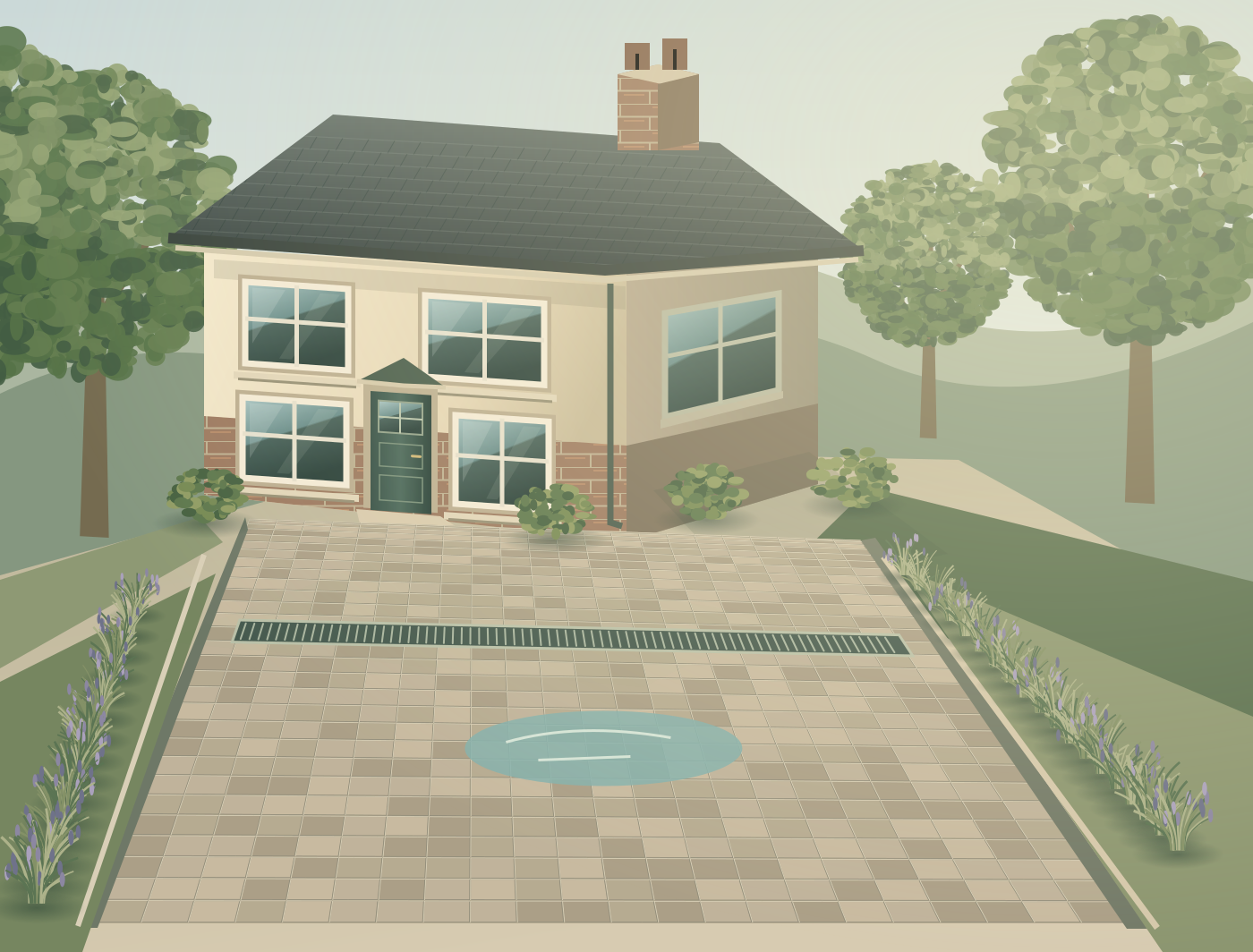
Collect runoff at the surface
Drainage Channels
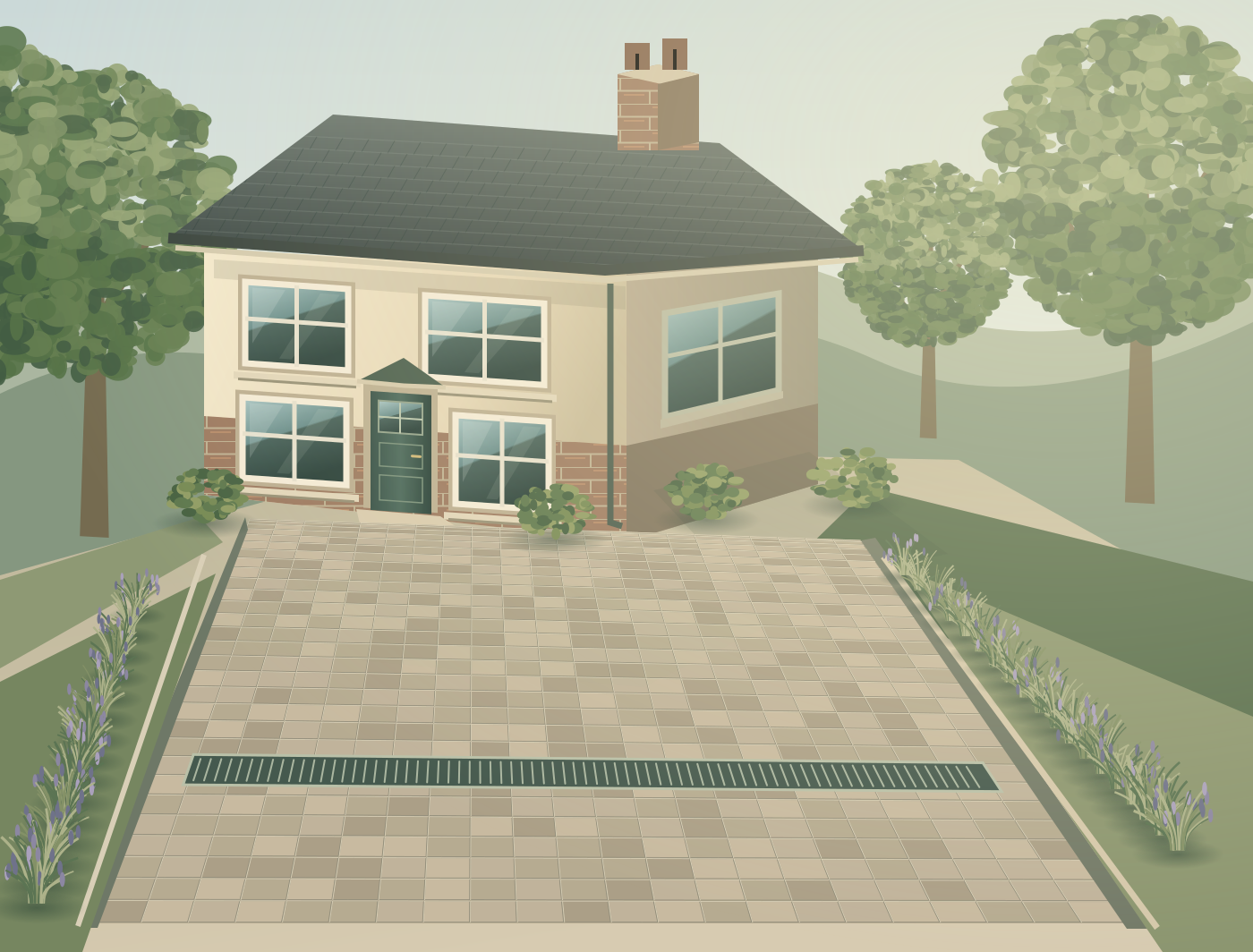
Install driveway drainage channels at your Sudbury property to collect runoff and carry it to a suitable outlet.
Explore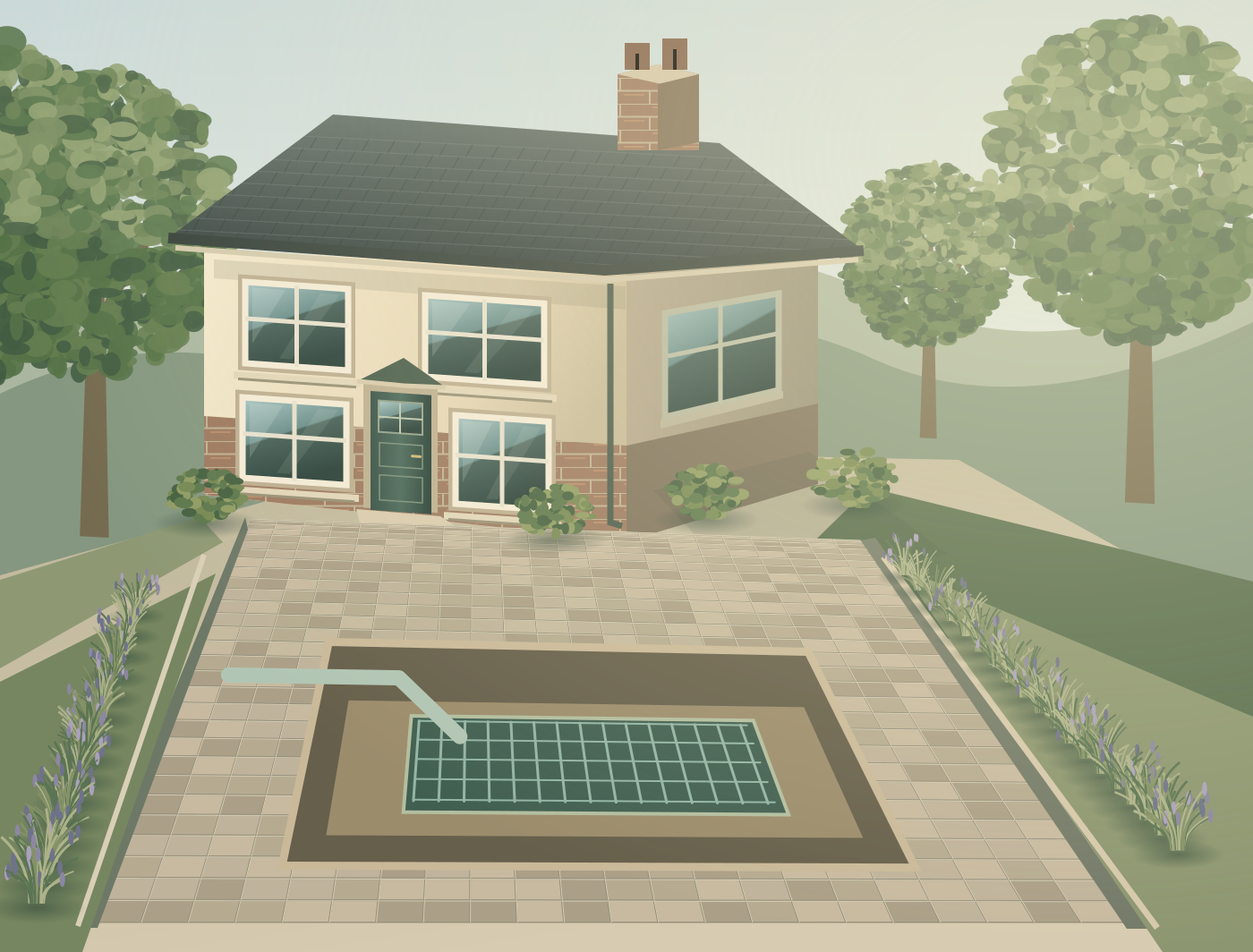
Drain rainwater into suitable ground
Driveway Soakaways
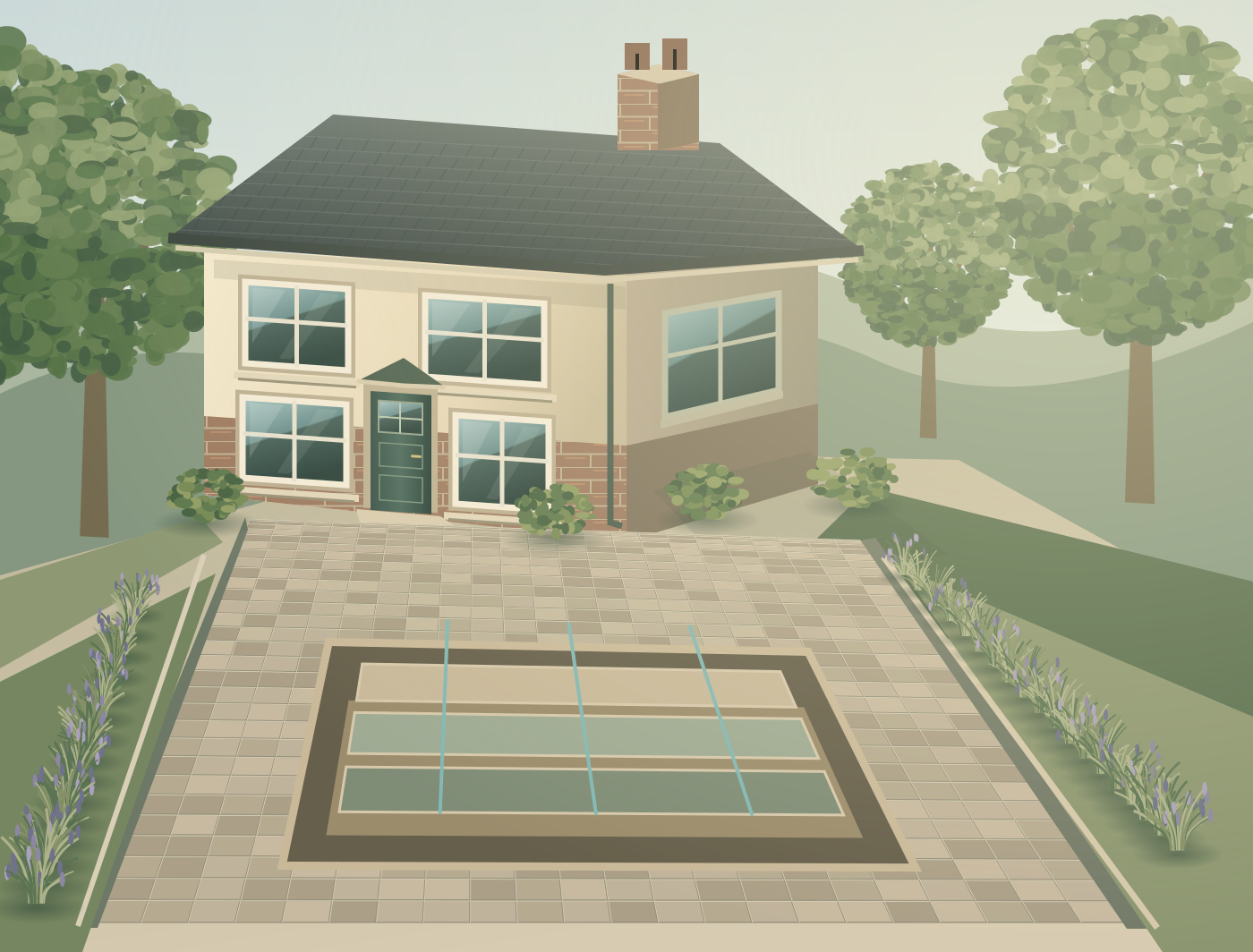
A driveway soakaway can help manage rainwater at your Sudbury property where the ground is suitable for infiltration.
ExploreWhere does driveway rainwater go?
Driveway rainwater can drain through a permeable construction or run across the surface towards a collection point. It must then reach suitable ground or another assessed drainage outlet. Low spots hold water when neither route works effectively. Rain can also arrive from paths or roof-water outlets, so tracing the source and final destination is more useful than looking only at the puddle.
Permeable surfaces, channels and soakaways
A permeable construction manages water through its layers. Channels collect surface runoff. A soakaway may provide an infiltration destination where conditions are suitable. These features can form part of different designs; choosing one by name does not establish a complete drainage solution for the site.
Further guidance: Government guidance on permeable front gardens.
Ground conditions and suitable outlets
Ground that accepts water can support an infiltration design where there is enough suitable space. Poor infiltration, groundwater or nearby structures may limit that option and make a different assessed outlet necessary. A visible drain does not reveal what it connects to or whether it can take additional runoff. Establish ground suitability and the proposed discharge route before selecting channels, permeable paving or a soakaway.
Match drainage to the surface and layout
A solid driveway normally needs falls that bring water to an edge or drainage channel, while a permeable system directs water through the surface and supporting layers. The layout must avoid low pockets around covers, borders and entrances. Collection features should sit where water actually reaches them. From that point, the design must explain how runoff is stored, infiltrated or discharged to a suitable outlet.
Information needed for a drainage assessment
For an existing fault, record the problem during or after rain: where it starts, how long water remains and whether a drain overflows. That information supports diagnosis. For a new drive, include site dimensions, intended materials and any known wet areas in the initial design discussion.
A few useful answers
Questions about driveway drainage
Does a channel drain need somewhere to discharge?
Yes. The channel collects water but needs a suitable outlet to carry it away. A channel that simply ends underground can fill up and overflow.
Is permeable surfacing suitable on every site?
No. Ground infiltration, slope and groundwater conditions can restrict the design. Some sites need storage and a controlled outlet rather than relying on water soaking directly into the soil.
Can drainage be added to an existing driveway?
Yes, where levels and an outlet allow it. Allow for cutting and reinstating the surface, and ask whether any new pipe route crosses areas outside the visible drainage problem.