A new finish over a sound base
Driveway Resurfacing in Sudbury
Renew a worn driveway at your Sudbury property with resurfacing where the existing base is suitable. Check base condition, changes in height and drainage before choosing a new finish.
Your property. Your parking. Your next step.
What driveway resurfacing can change
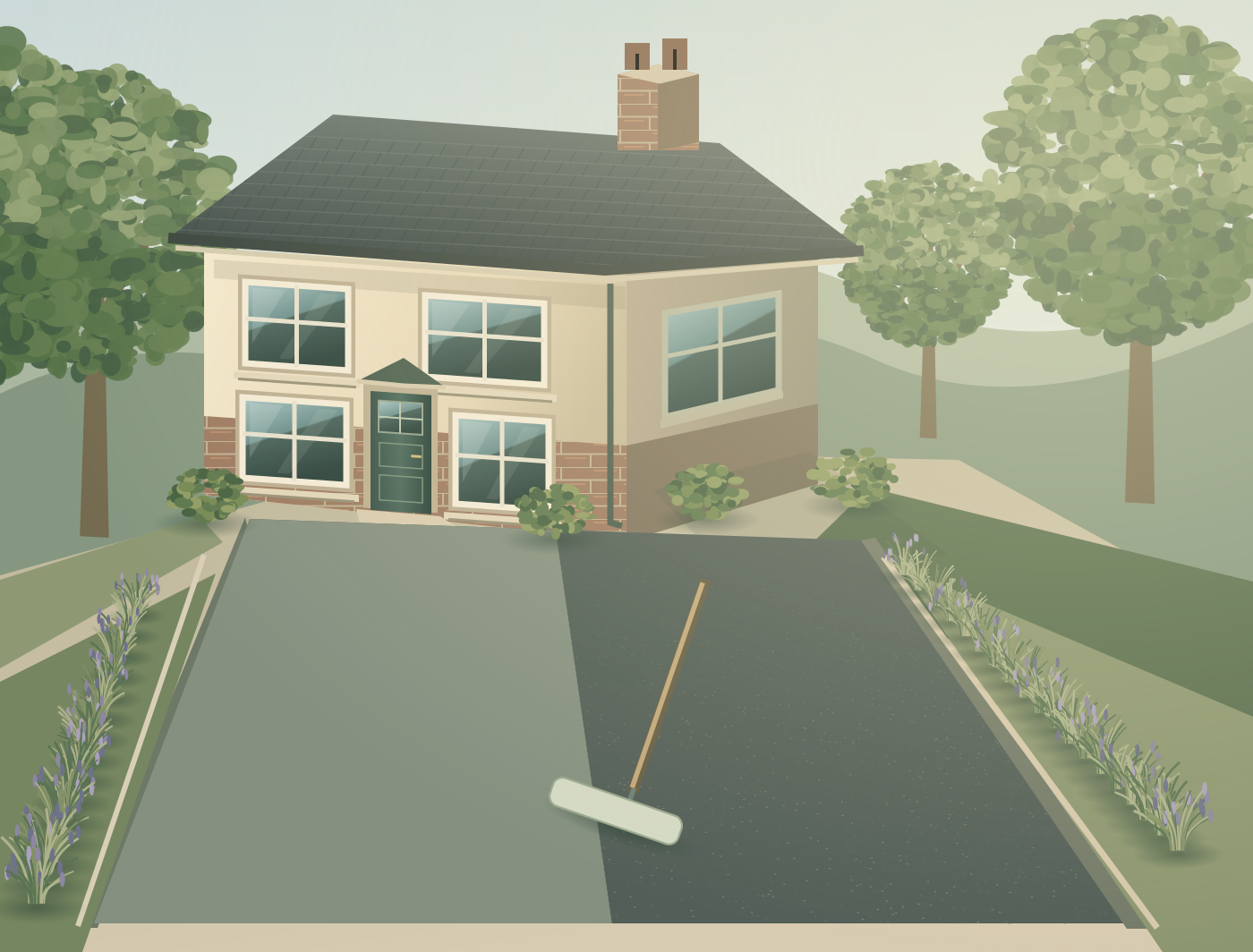
Resurfacing renews the visible finish of a driveway whose retained construction is suitable. It can improve widespread surface wear and appearance, but it does not automatically correct a moving base, poor layout or unresolved drainage. Depending on the system, the old finish may be removed or a compatible layer added over it. Establishing what remains underneath is essential to deciding whether resurfacing is appropriate.
Check whether the base can be retained
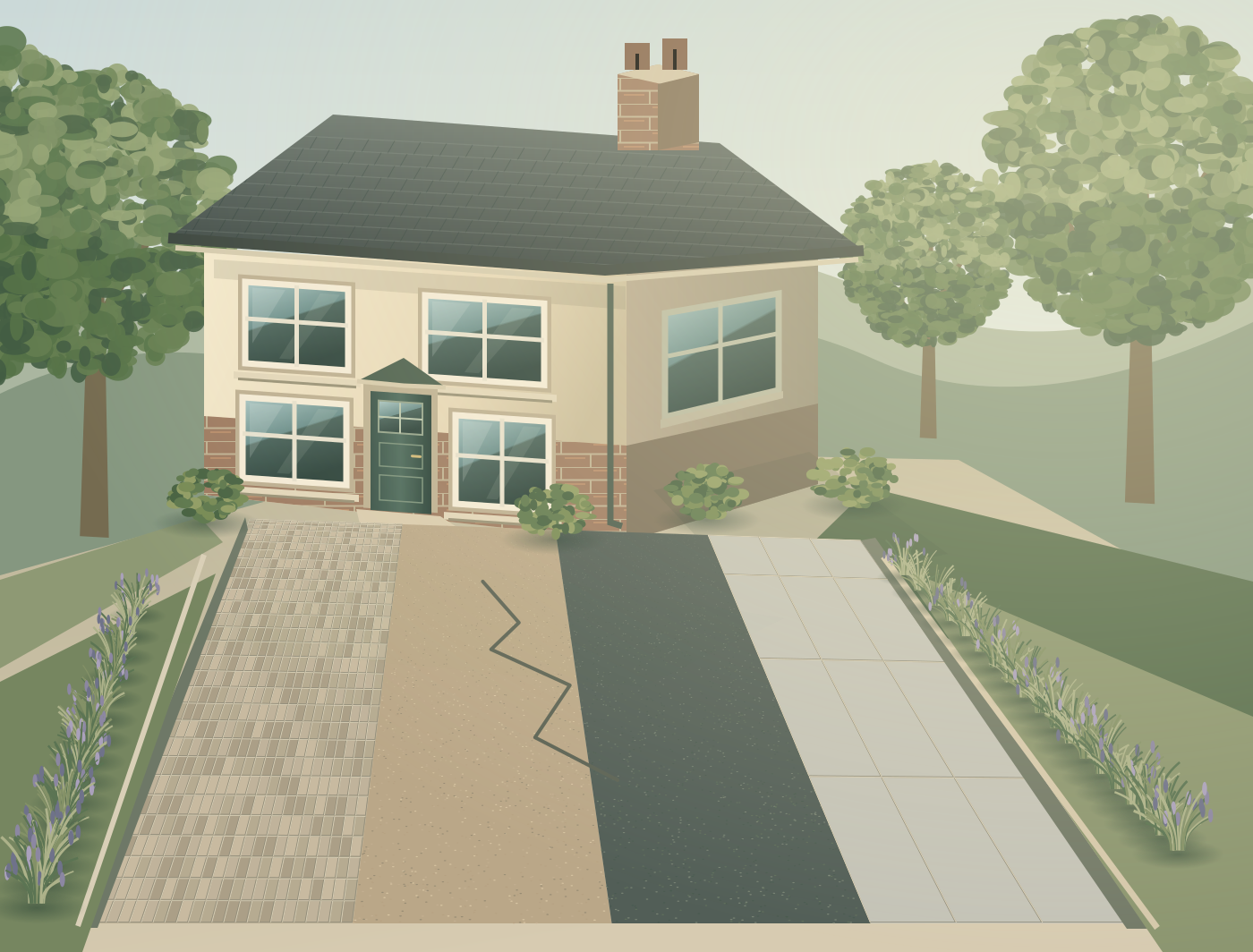
The existing construction needs inspection for movement, deterioration, contamination and water problems. A driveway that repeatedly cracks or sinks may need work below the finish. Record any previous repairs and ask how the proposal deals with them, rather than assuming the new layer will bridge every defect.
Choose a compatible new surface
A new surface needs a stable base, suitable levels and a compatible bond or supporting construction. Resin systems and tarmac overlays have different preparation requirements, so changing the finish is not simply a colour choice. Contamination, movement or an unsuitable existing material may require removal or rebuilding. The proposed system should identify what is retained and how its condition supports the new finish.
Finished levels, thresholds and drainage
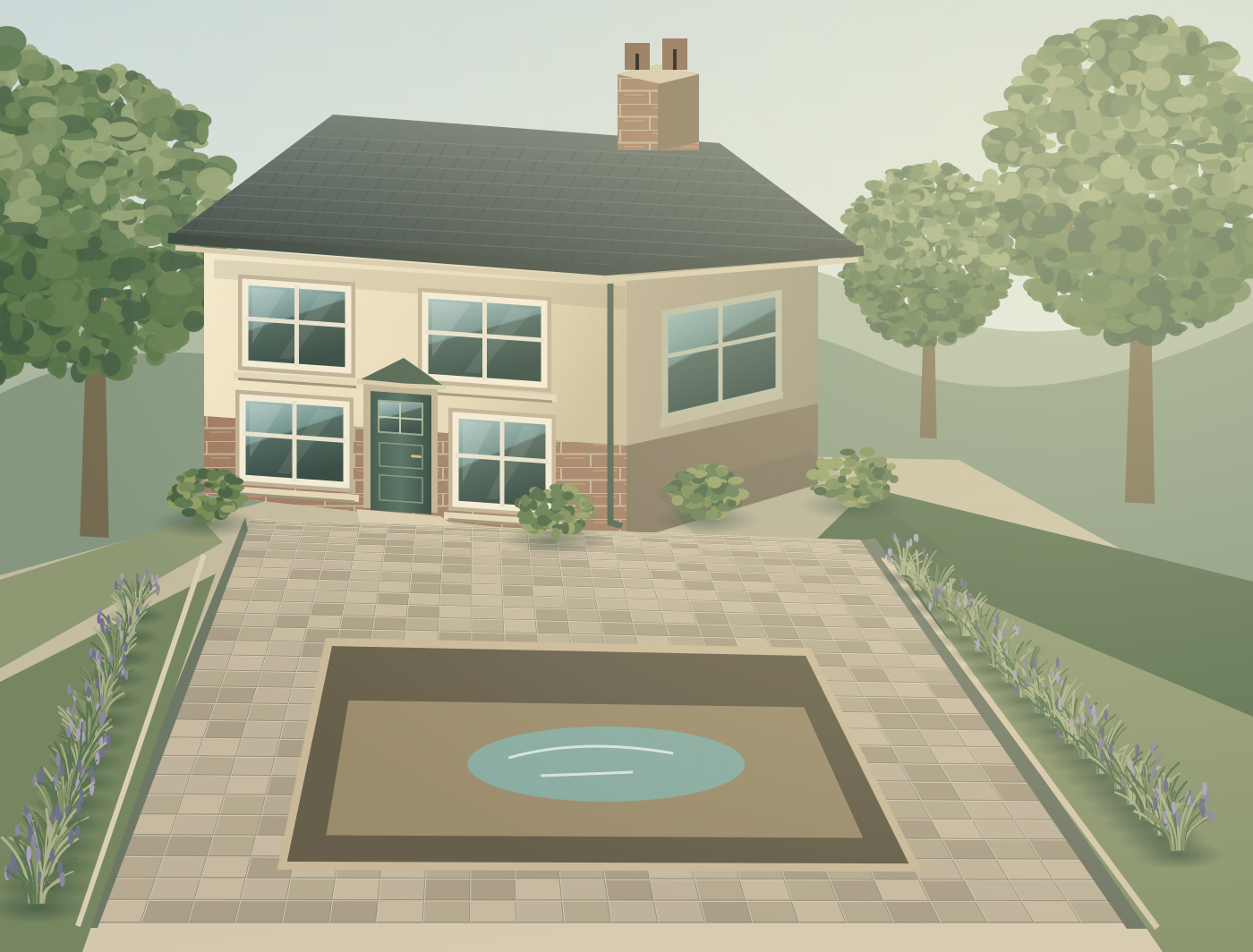
Added height can affect thresholds, covers, edges and the way rainwater moves. The proposal should explain those details before work begins. A surface that looks renewed but creates a raised lip or an awkward garage entrance has not addressed the whole driveway.
Compare resurfacing with replacement
Resurfacing suits a worn finish where the retained layers, layout and drainage remain suitable. Replacement is more relevant when those layers have failed, repeated movement is unresolved or major level and layout changes are needed. Retaining sound construction can reduce the scope of work, but retaining defective material leaves a problem beneath the new finish. Compare the necessary preparation and limitations of both approaches before considering price.
A few useful answers
Questions about driveway resurfacing
Can resurfacing cover existing cracks?
It may cover them, but moving cracks can return through the new finish. The specification should explain any crack treatment and why the retained surface is suitable for an overlay.
Will an overlay raise the driveway level?
Usually it adds height unless material is removed first. Check garage thresholds, drainage inlets and access covers; even a modest level change can alter how water leaves the drive.
When is full replacement more appropriate?
Replacement is more appropriate when the support has failed widely or the required levels cannot be achieved by resurfacing. Ask for the reason in writing when comparing the two options.