Repair the surface you have
Driveway Surface Repairs in Sudbury
Repair damaged areas of your Sudbury driveway with a method suited to its block paving, resin, tarmac or concrete surface. Preparation and the condition beneath the visible damage help determine the right approach.
Your property. Your parking. Your next step.
Repairs for each driveway material
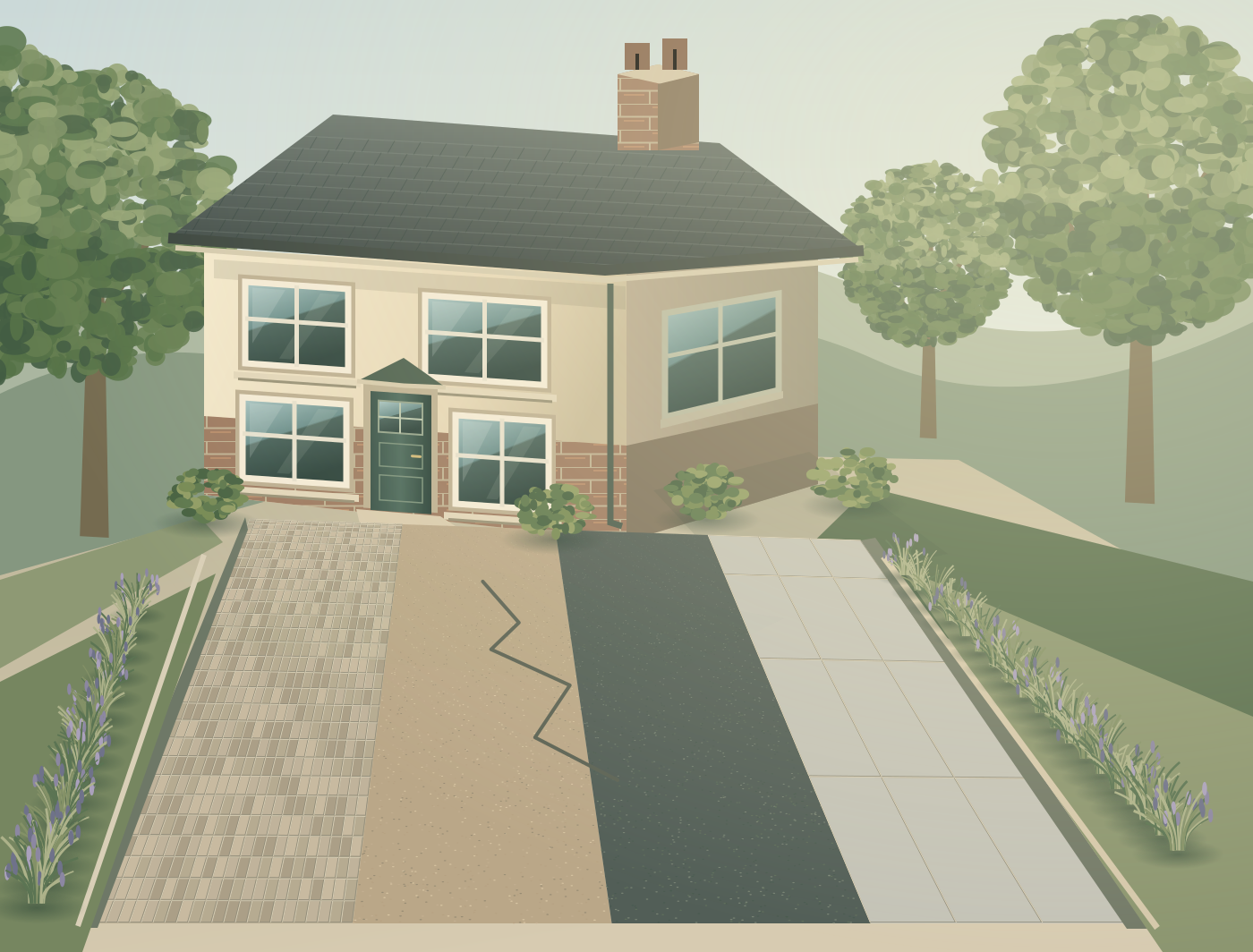
Choose repairs for your driveway surface
From the first idea to putting a problem right. Choose the work that fits your property.
Loose, broken or uneven blocks
Block Paving Repairs
Get loose, broken or uneven block paving repaired on your driveway in Sudbury.
Explore
Cracks and loose resin aggregate
Resin Driveway Repairs
Get cracks, loose stones or worn patches assessed for repair on your resin driveway in Sudbury.
Explore
Potholes and crumbling edges
Tarmac Repairs
Repair potholes, cracks and crumbling edges on your tarmac driveway in Sudbury.
Explore
Cracks, flaking and broken concrete
Concrete Driveway Repairs
Find a suitable repair for cracks, flaking concrete or broken edges on your driveway in Sudbury.
ExploreIdentify the damaged driveway surface
Block paving has individual small units and visible joints; concrete slabs use larger manufactured units. Tarmac forms a continuous aggregate surface, while poured concrete may be plain or patterned. Resin finishes show stone held by a binder, with bound and bonded systems needing different repairs. Identify the surface and the defect separately. Installation records can resolve uncertainty where appearance alone does not establish the exact system.
Block paving, resin, tarmac and concrete repairs
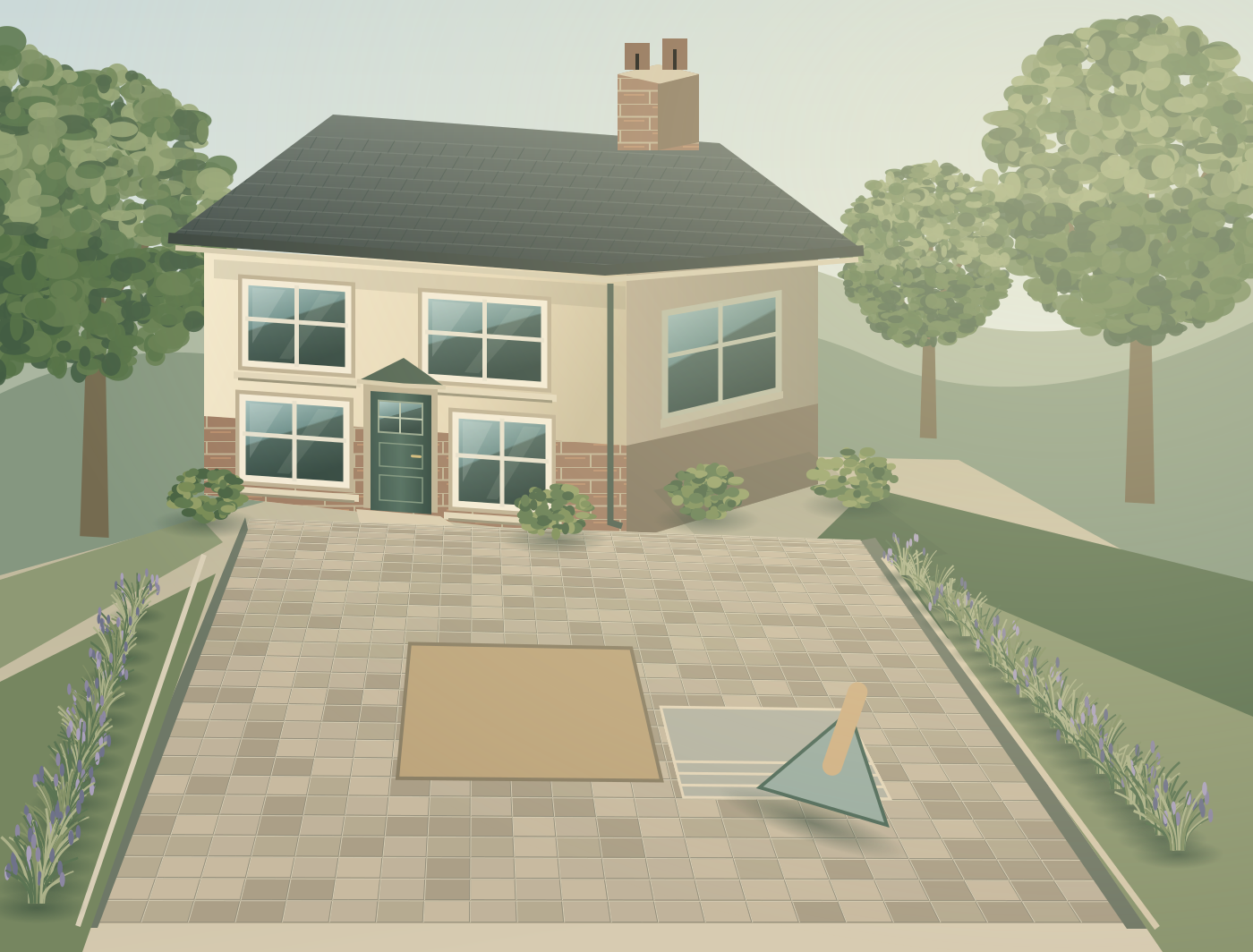
Damaged blocks can be replaced and stable surrounding paving retained. Resin patches need a compatible system and a suitable base. Tarmac repairs commonly remove failed material before reinstating a prepared area, while concrete repairs depend on whether cracking is stable or linked to movement. Repairing the visible surface is appropriate only when its support is sound or is corrected as part of the work.
Check the base beneath the damage
A surface defect may be the result of movement or water below it. Repeated cracking, dips and damage around a cover deserve particular attention. Correcting the appearance alone may leave the reason for failure unchanged, especially if the same area has already been repaired.
Matching materials and defining the repair area
New materials can differ from an older surface. Colour, texture and weathering affect how a patch or replacement unit looks. Ask about the proposed repair boundary and any wider area needed for a practical detail; the smallest visible defect is not always the full working area.
Local repairs or wider surface renewal?
Local repairs suit damage confined to a defined area where the surrounding driveway remains serviceable. Wider renewal becomes more relevant when wear covers much of the surface, patches are numerous or failures keep returning. The base still needs assessment before resurfacing is chosen. Compare the extent of sound material that can remain with the preparation needed, rather than deciding solely on the smallest visible patch.
A few useful answers
Questions about surface repairs
Can a small damaged area be repaired on its own?
Yes, if the damage is local and the surrounding construction is sound. The repair may need to extend beyond the visible defect to reach a stable edge.
Will a repair remain visible?
Often it will, particularly on weathered continuous surfaces. Ask about the likely colour and texture difference before agreeing the work, rather than treating visibility alone as a sign of poor repair.
What if I do not know the material used?
Send clear close-ups and any invoices or product records you have. Avoid testing the surface with chemicals or scraping off material merely to identify it.