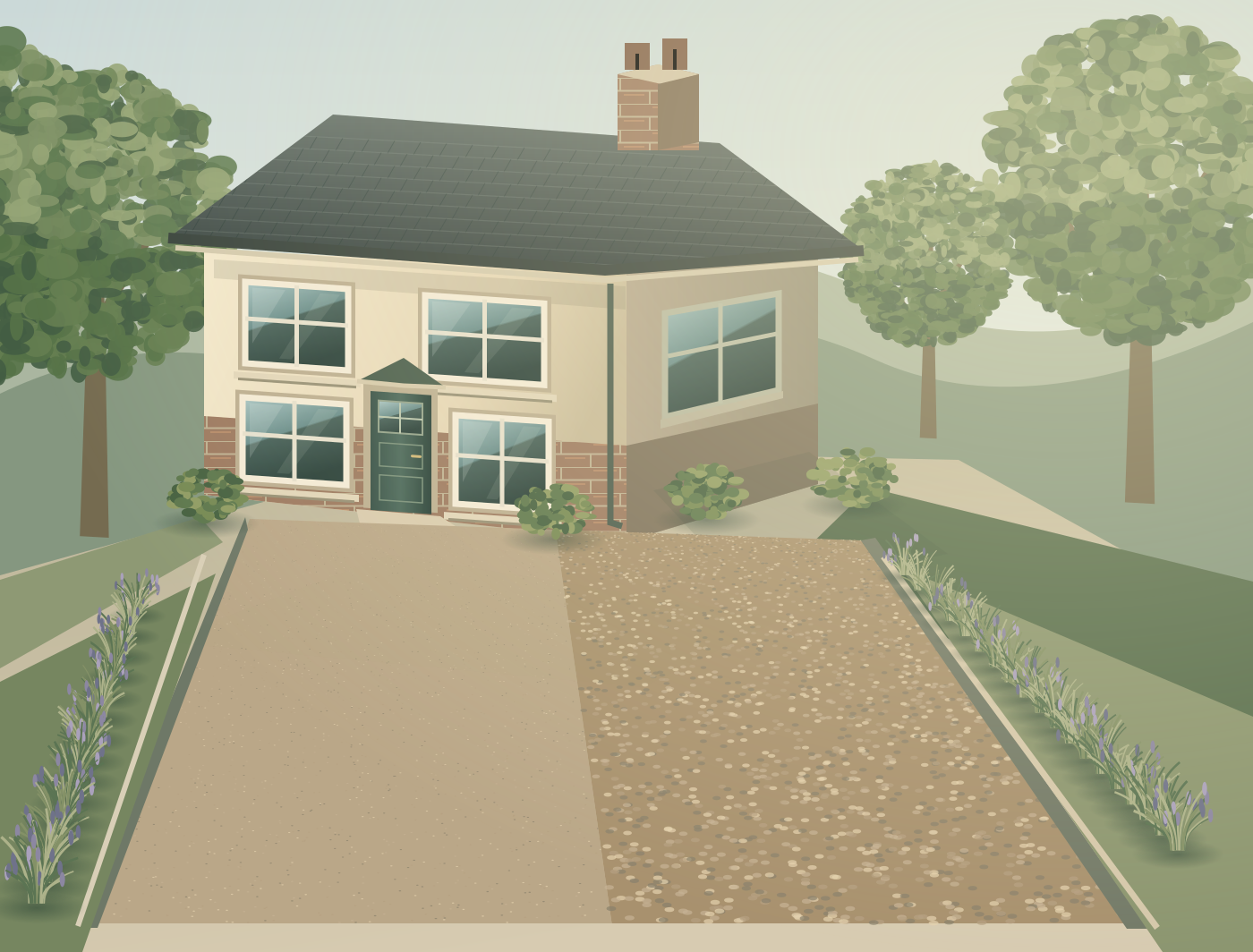
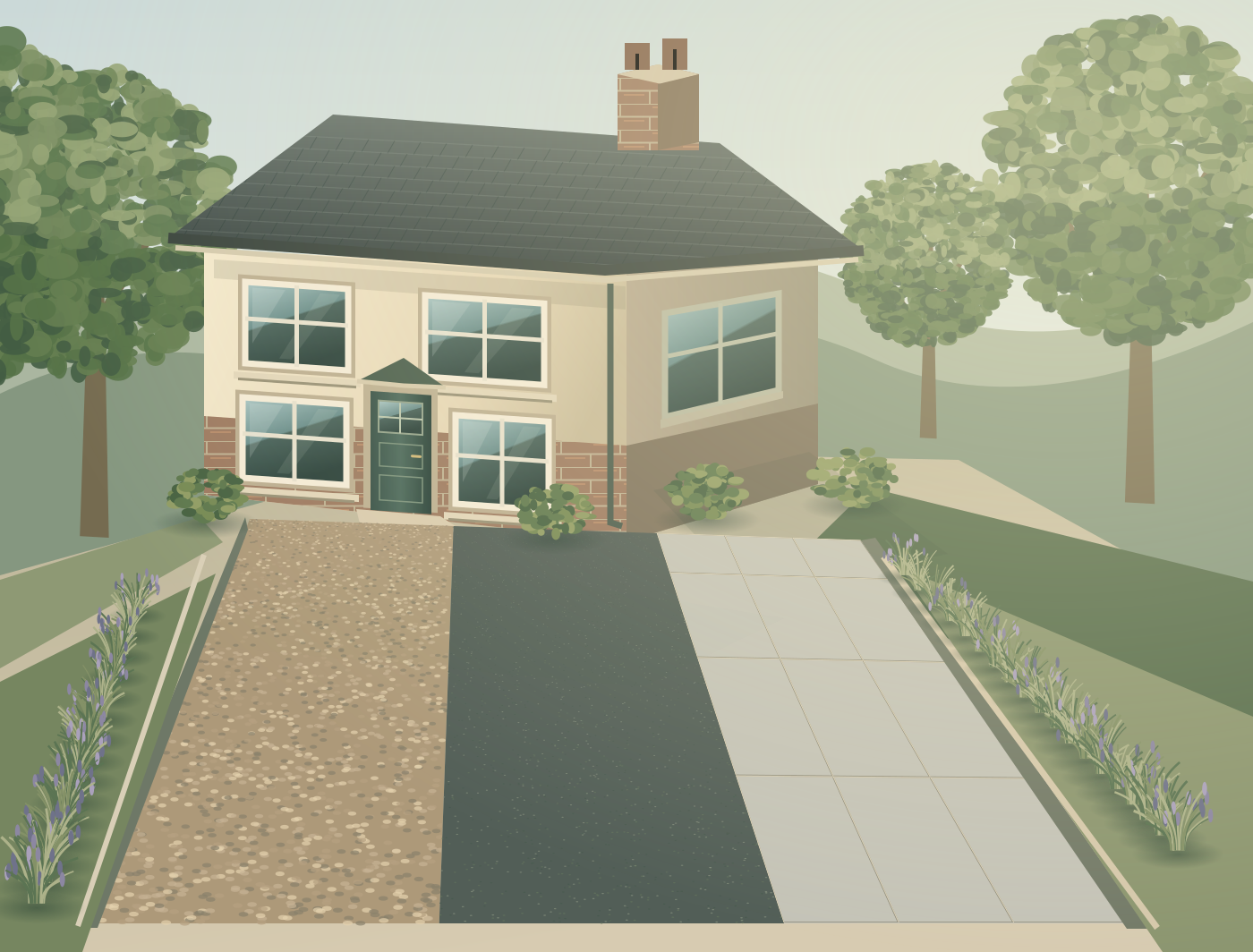
Paving choices for vehicle use
Driveway Paving in Sudbury
Create a paved driveway for your Sudbury property using blocks, natural stone or concrete slabs suitable for vehicles. Consider the complete installation, including foundations, edging and drainage.
Your property. Your parking. Your next step.
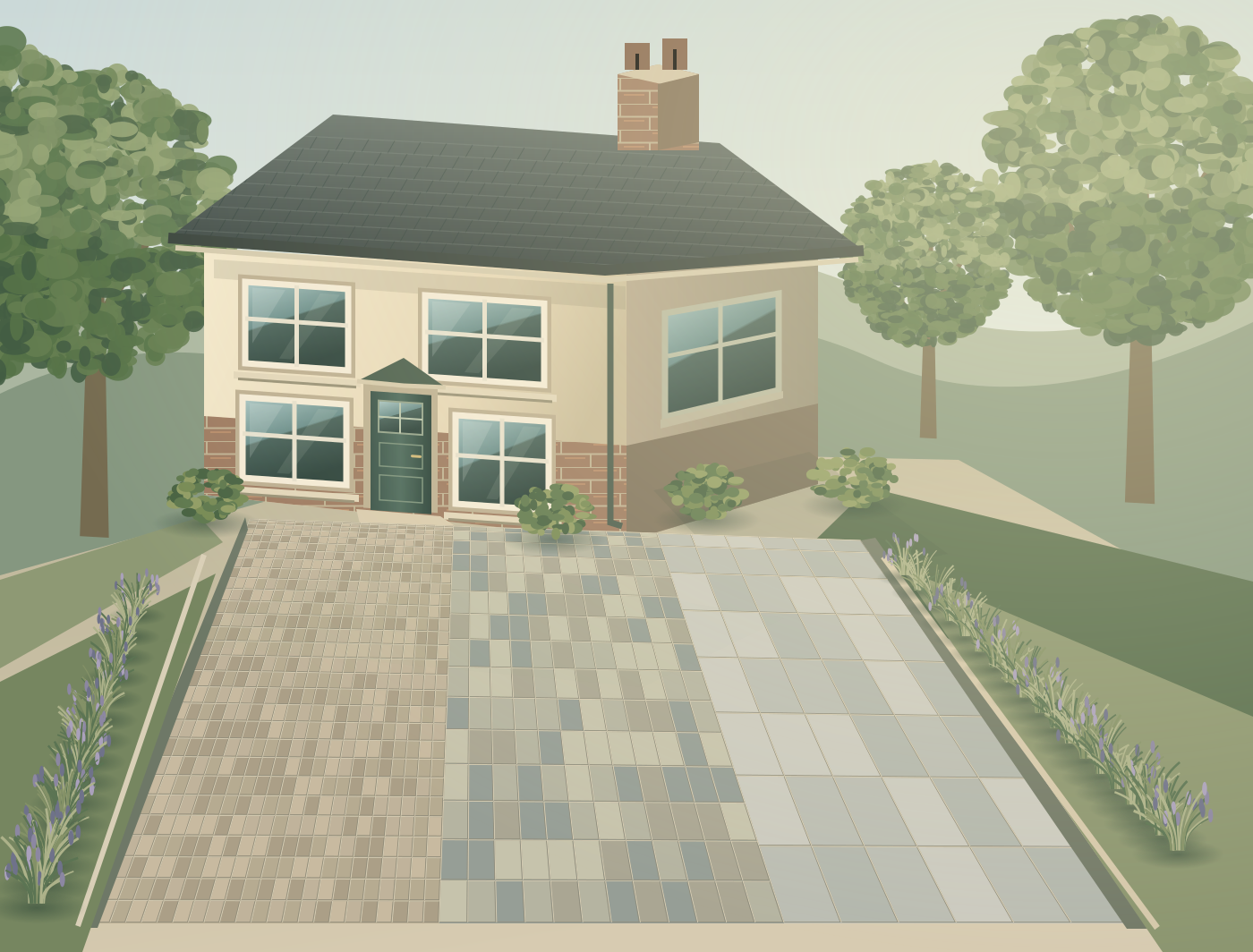
Driveway paving materials
Choose driveway paving
From the first idea to putting a problem right. Choose the work that fits your property.
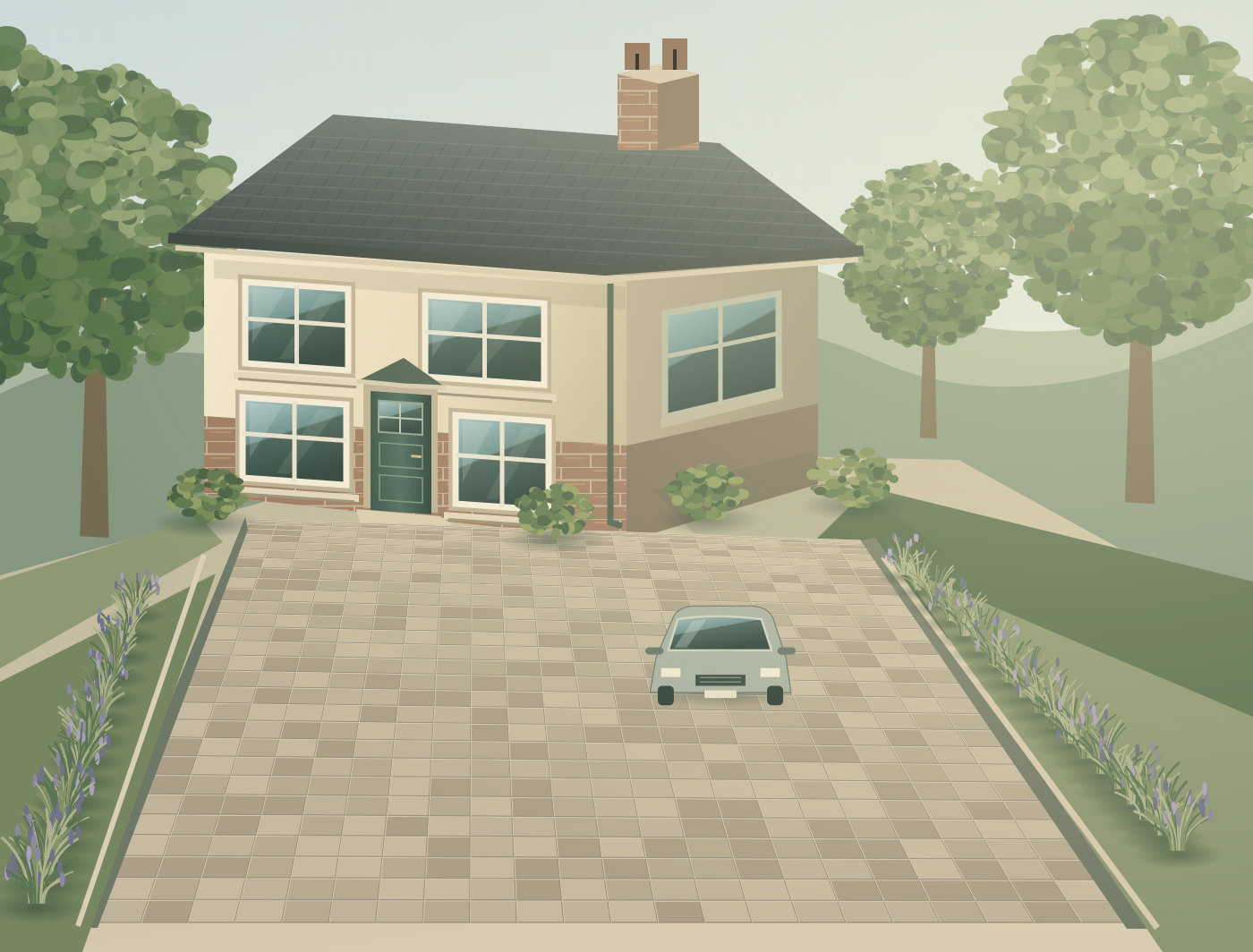
Colours, patterns and edging
Block Paving
Give your Sudbury driveway a new look with block paving in a pattern and colour that suit your home.
Explore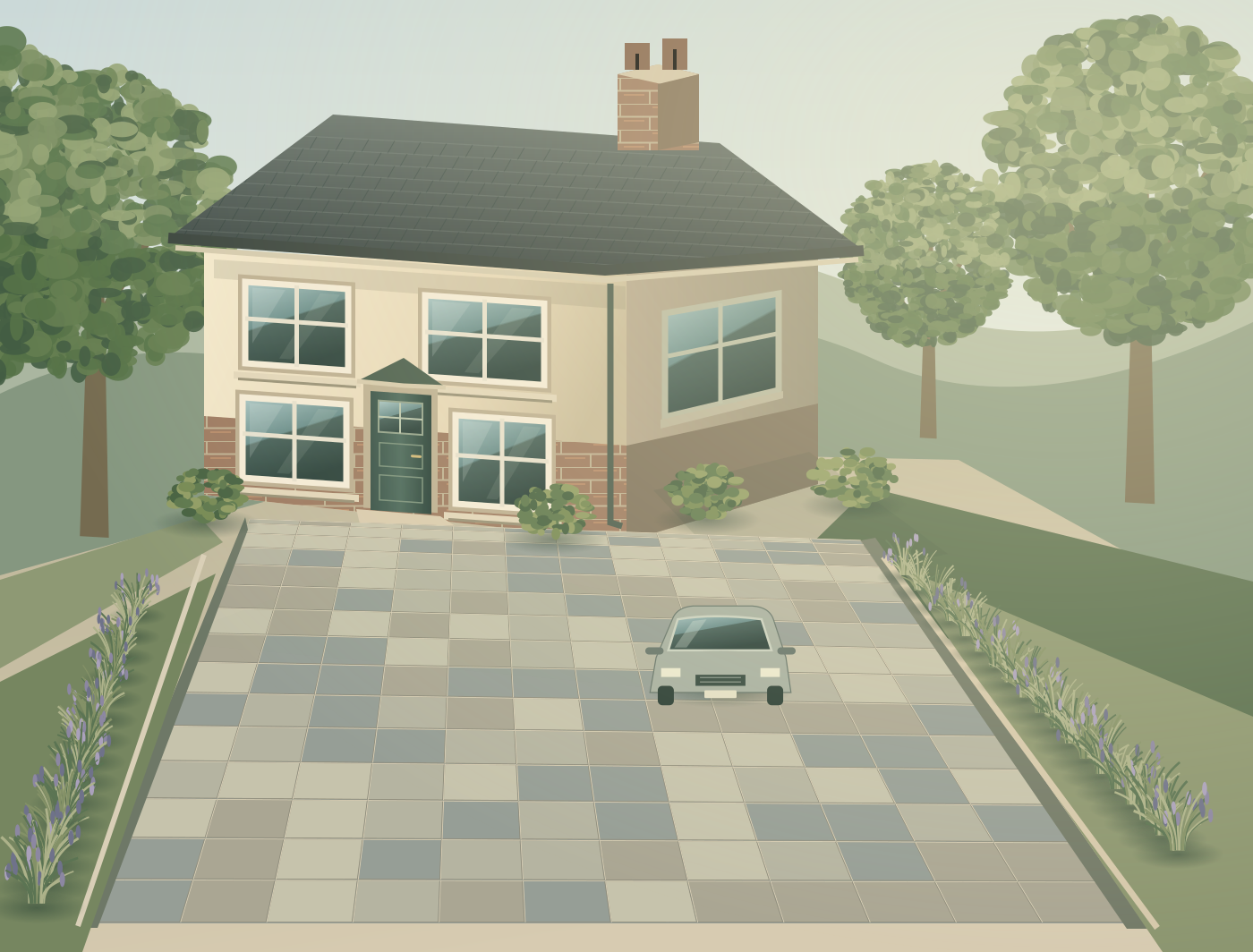
Stone setts and paving
Natural Stone Driveways
Bring natural colour and texture to your Sudbury driveway with stone setts or paving designed for vehicle use.
Explore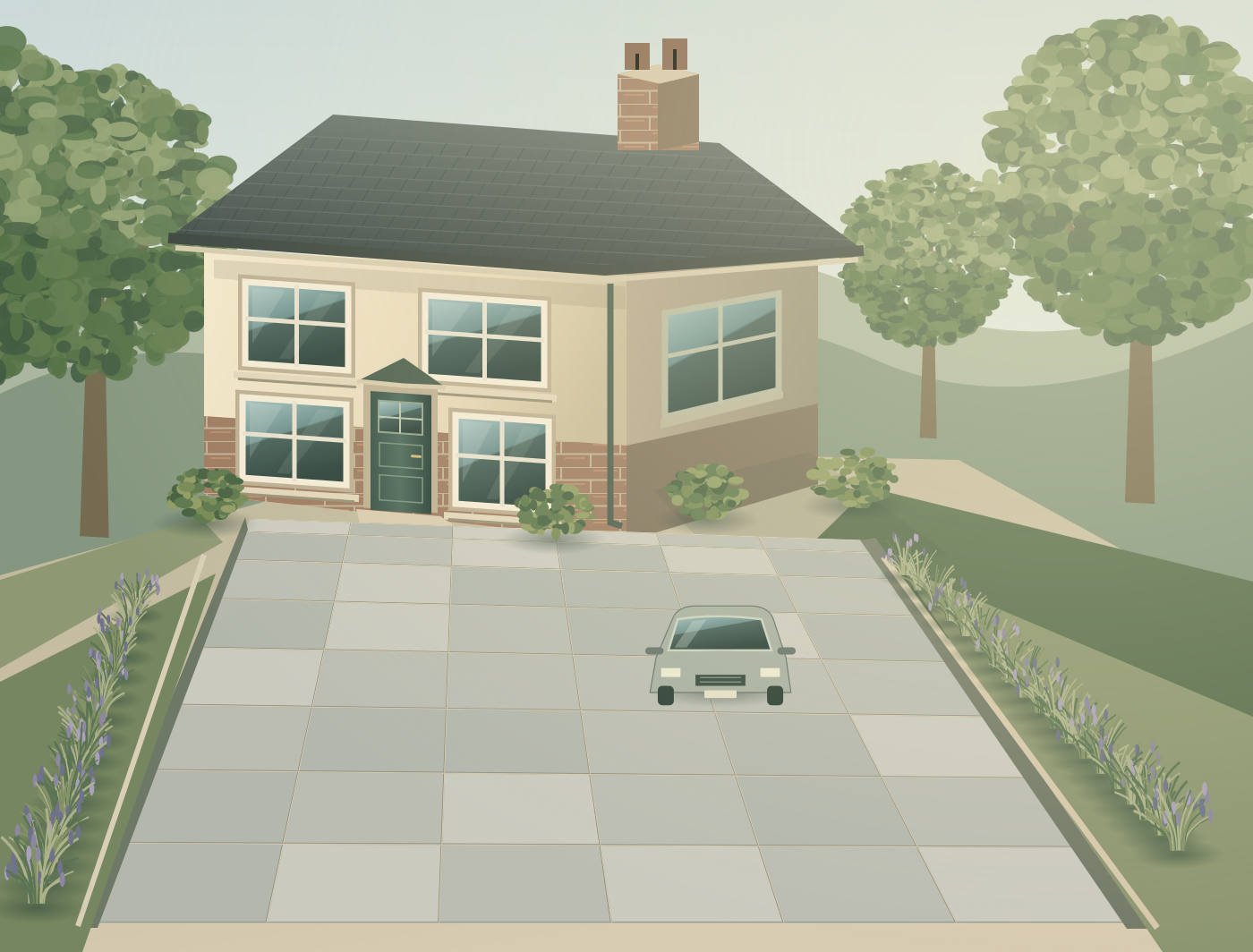
Vehicle-rated paving slabs
Concrete Slab Driveways
Create a concrete slab driveway for your Sudbury home using paving strong enough for everyday parking.
ExplorePaving suitable for driveways
Driveway paving needs units and a supporting construction specified for vehicle use. Some products intended for pedestrian patios are unsuitable for cars, even if they look similar to driveway paving. Unit strength, bedding, jointing and edge support all contribute to performance. Regular vans, heavier deliveries and repeated turning can change the requirements, so the intended traffic must be considered before selecting the paving.
Block paving, natural stone or concrete slabs
Block paving offers smaller units and a wide range of laying patterns. Natural stone introduces variation in colour and texture. Concrete slabs create larger modules where suitable products and construction are selected. Start with the look you prefer, then confirm the installation needed to support your use.
Paving patterns, borders and entrances
A border can frame the drive or distinguish a walking route, but the edges also need a construction detail that suits the system. Consider how patterns meet steps, garage openings and service covers. A layout drawing helps prevent awkward narrow cuts or mismatched details becoming last-minute decisions.
Paving foundations and drainage
The ground and sub-base support the driveway, the bedding supports the paving units, and the joints and edge restraints help keep the surface stable. Drainage may follow surface falls to a suitable collection point or pass through a designed permeable construction. Visible joints alone do not make paving permeable. The product and construction method determine the correct bedding, jointing and drainage details.
Maintaining and repairing driveway paving
Routine paving care includes removing debris, treating growth with suitable methods and checking joints, edges and drainage. The correct joint material depends on the installed system. A broken unit may be replaceable locally, while rocking or sunken paving needs its support checked before re-laying. Matching older paving can be difficult, so spare units or an agreed repair boundary can help manage the finished appearance.
A few useful answers
Questions about paved driveways
Can ordinary patio slabs be used for a driveway?
Only if the manufacturer rates the specific slabs for vehicle use and they are laid on suitable construction. A patio product's appearance or thickness alone is not proof of driveway suitability.
Can paving be repaired in small areas?
Yes, many paved systems allow individual units or small areas to be replaced. Keeping spare units from installation can make later repairs easier to match.
Does every paved driveway let rainwater through?
No. Ordinary paving usually sheds water to edges or drains. Permeable paving needs specified joints and supporting layers; gaps between ordinary slabs do not make it a permeable system.